Cracking Construction Decarbonization with Digital Innovation: NCKU–CSU Team Wins Presidential Hackathon Award
Making Carbon Visible: A Digital Solution Transforming the Construction Industry
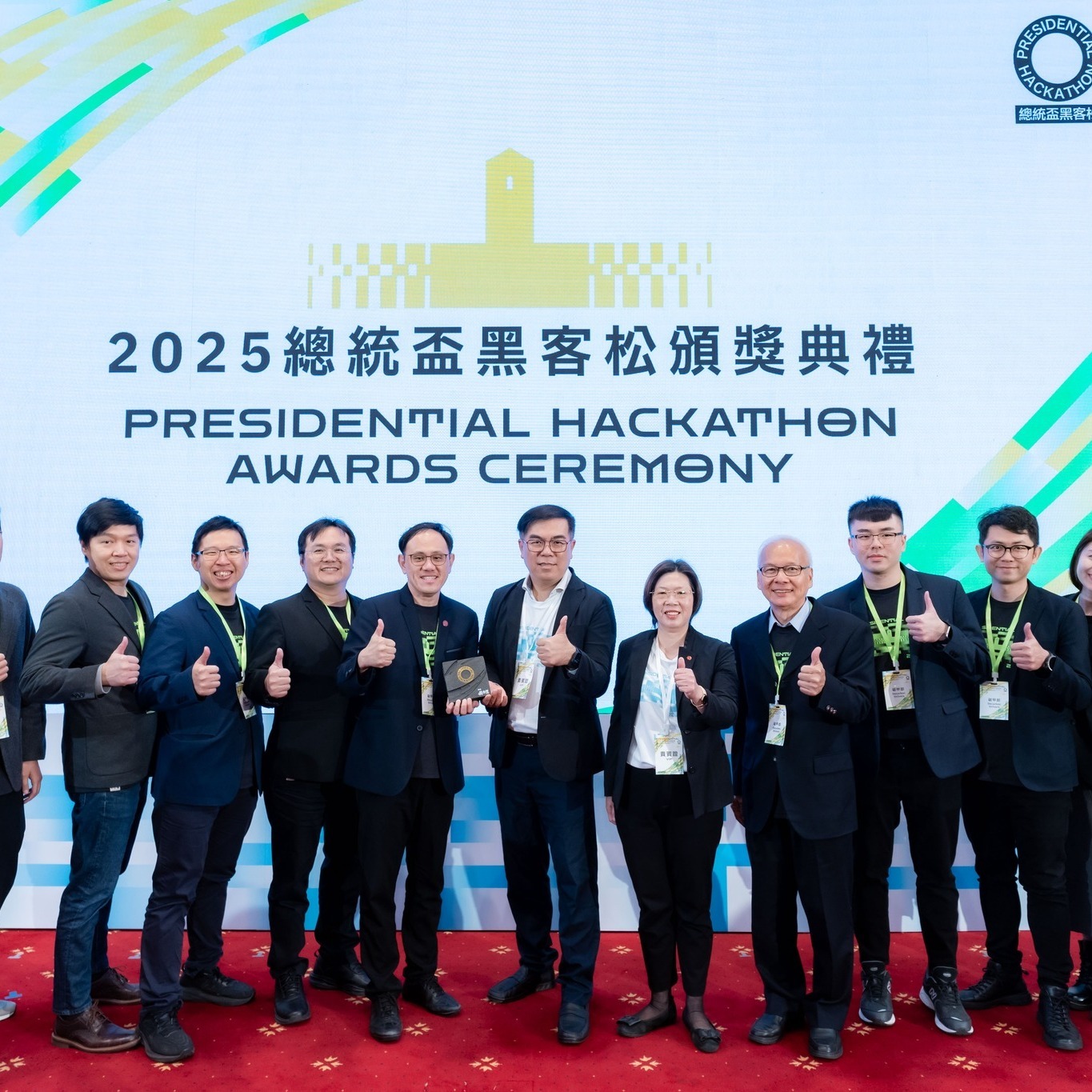
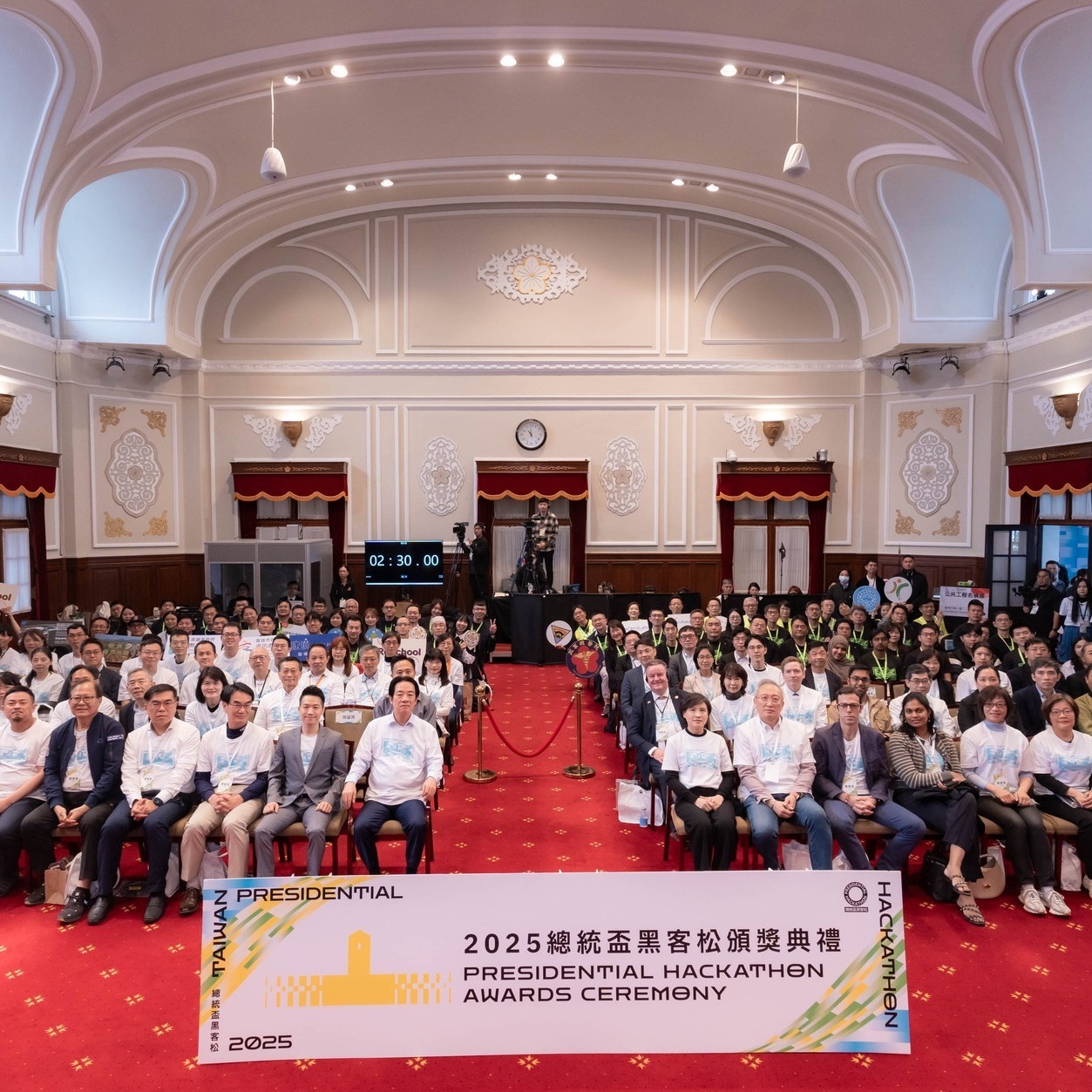
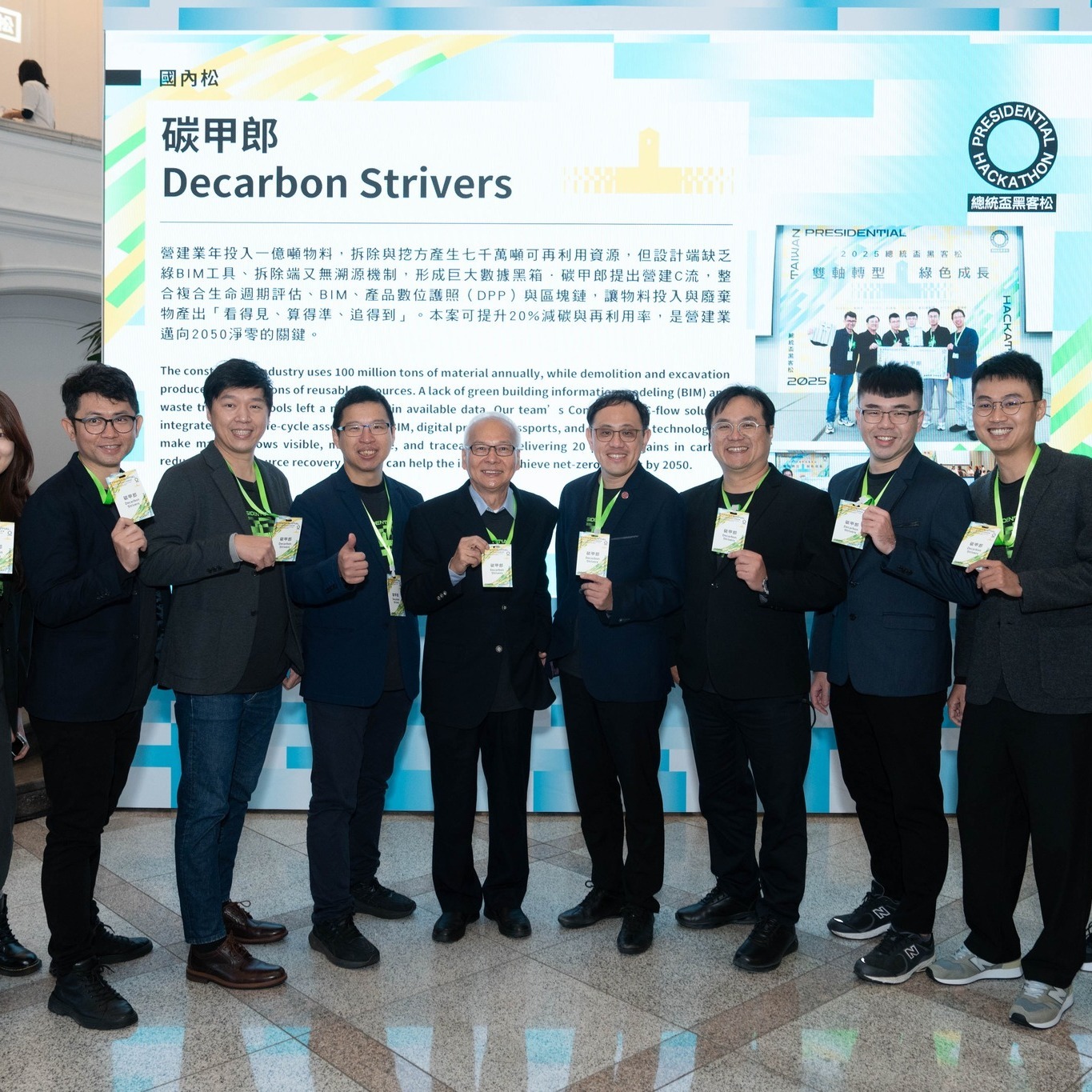
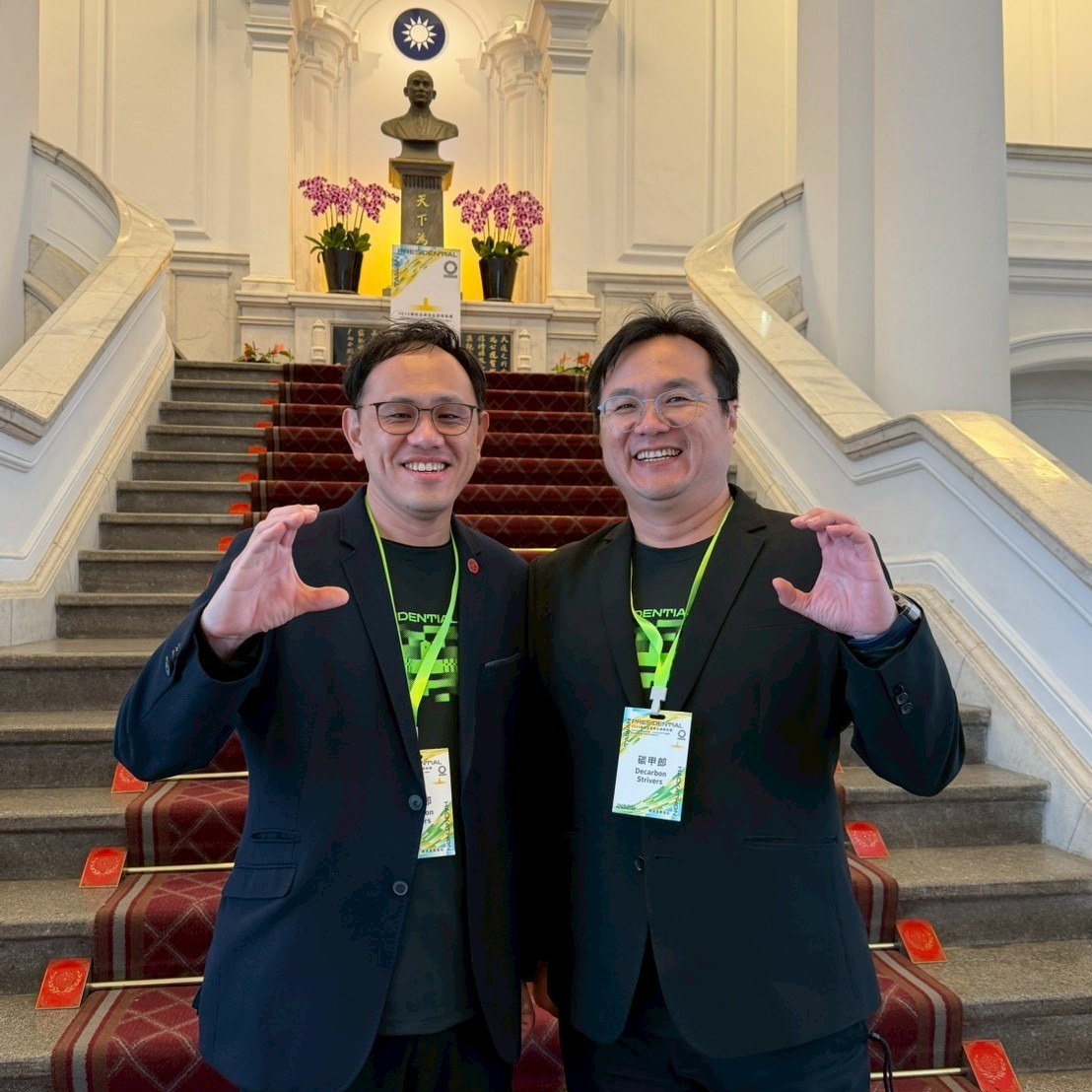
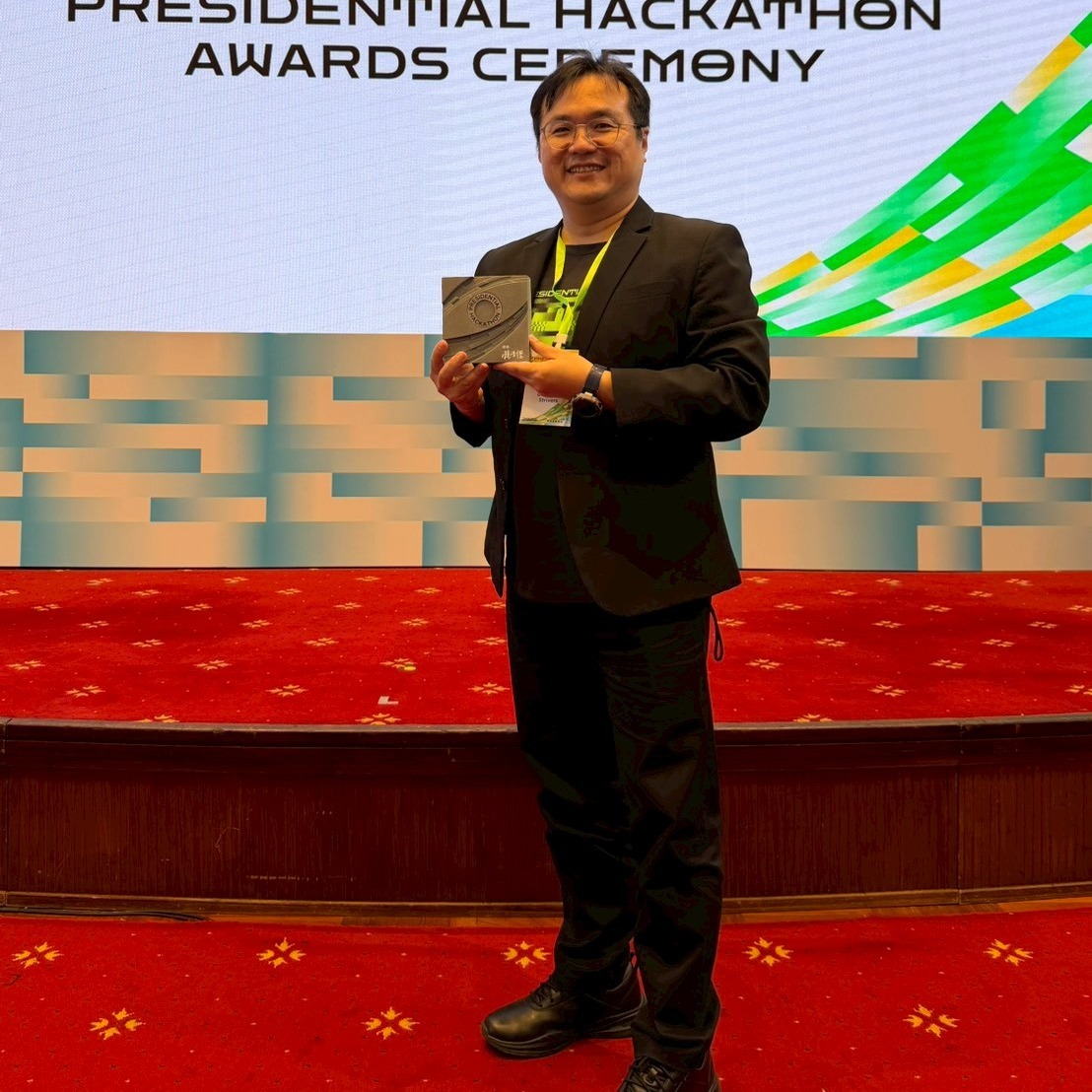
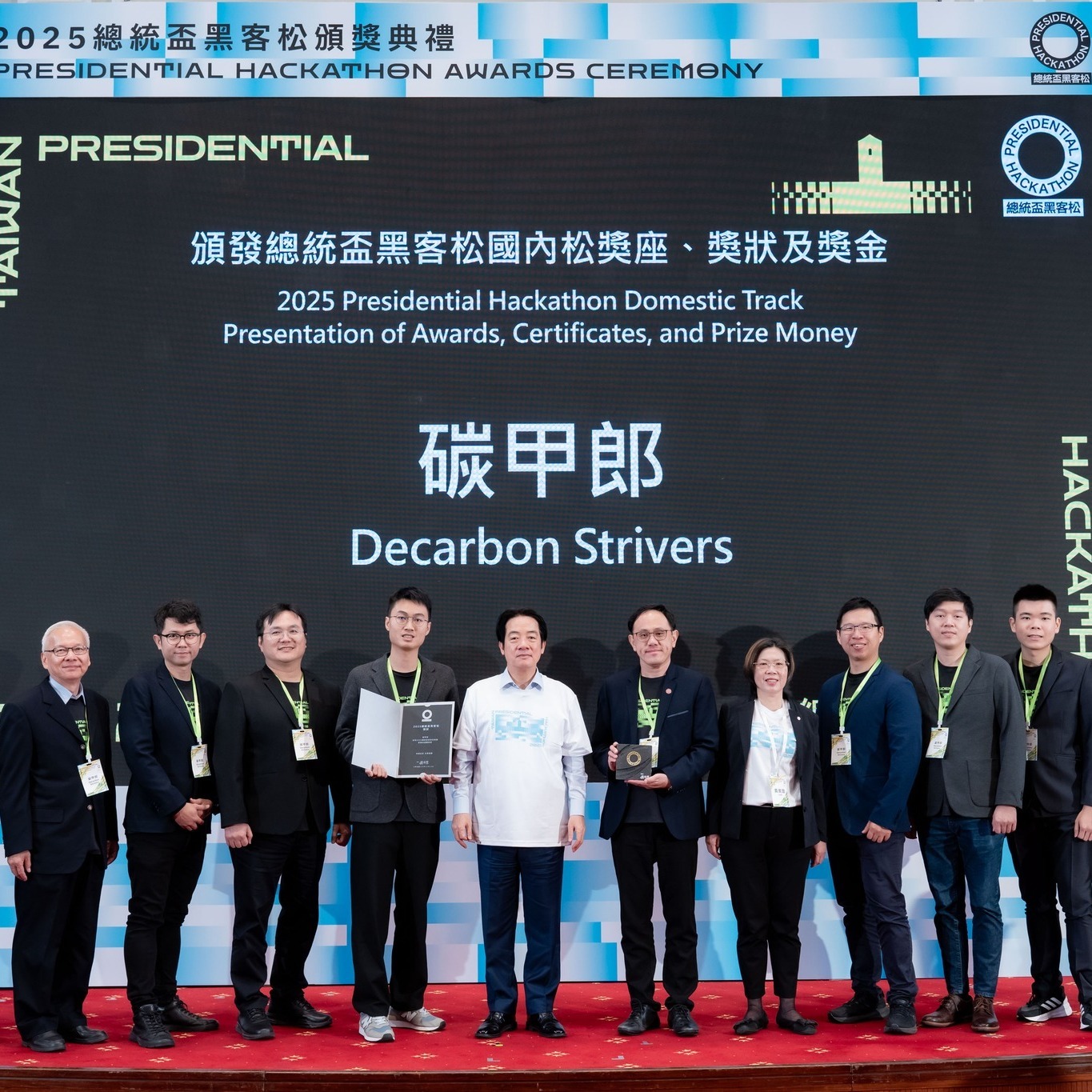
Amid the global push toward net-zero emissions and a circular economy, effectively managing carbon data in the construction sector has become a critical challenge. The “Carbon Jialang” team has successfully addressed this issue with an innovative digital solution for construction carbon footprints, earning the Excellence Award at the 2025 Presidential Hackathon and receiving official recognition from the Presidential Office for its innovation and policy impact.
This project is a collaborative effort between the Department of Civil Engineering at National Cheng Kung University (NCKU) and the Department of Civil and Spatial Information at Cheng Shiu University (CSU), showcasing the strength of cross-university collaboration in a national-level innovation competition.
Cross-Disciplinary Collaboration: Turning Ideas into Practical Solutions
The “Carbon Jialang” initiative integrates resources from academia, government, and industry, partnering with organizations such as the Resource Circulation Administration of the Ministry of Environment, the Industrial Technology Research Institute (ITRI), construction material industries, and recycling enterprises. Through real-world pilot testing, the team successfully transformed conceptual ideas into a practical and scalable digital solution.
CSU contributed its expertise in civil engineering and spatial information, playing a key role in integrating construction data, material information, and system architecture. This highlights the vital role of technological universities in applied innovation and system integration.
Addressing Industry Pain Points: Closing Structural Gaps in Carbon Management
According to Professor Ho Yu-Hsien of CSU, the project originated from the Low-Carbon Digital Construction Alliance co-developed with NCKU. Through long-term research and industry engagement, the team identified significant structural gaps in the construction sector’s carbon management:
- A lack of low-carbon-oriented BIM tools at the design stage
- Insufficient traceability and verification mechanisms during demolition
With approximately 100 million tons of materials used annually, these gaps result in fragmented and opaque data, creating a “black box” that hinders carbon reduction and circular utilization efforts.
The “Carbon Flow” Concept: Traceable, Measurable, and Reliable
To tackle these challenges, the team introduced the innovative concept of “Construction Carbon Flow (C-Flow)”, integrating key technologies such as:
- Life Cycle Assessment (LCA)
- Building Information Modeling (BIM)
- Digital Product Passports
- Blockchain technology
This integrated system enables carbon data to be visible, measurable, and traceable, establishing a reliable data foundation for the construction industry. It also provides a practical pathway for policymaking and industrial transformation toward sustainability.
CSU’s Commitment: Advancing National Net-Zero Goals through Expertise
Receiving the Presidential Hackathon Excellence Award not only recognizes the achievements of the “Carbon Jialang” team, but also underscores CSU’s contributions to net-zero carbon strategies, digital construction, and the circular economy.
Looking ahead, CSU will continue to strengthen cross-disciplinary and cross-sector collaboration, cultivating technical professionals equipped with both expertise and sustainability awareness. Through innovation, the University aims not only to solve engineering challenges, but also to address broader societal and environmental needs.