Giving Resources a Second Life: CSU Promotes Sustainable Recycling and Sharing Initiatives
Sustainable Recycling × Shared Services: Cheng Shiu University Gives Resources a “Second Life”
As sustainability becomes a global priority, Cheng Shiu University (CSU) has long been committed to advancing campus sustainability initiatives and resource circulation education, integrating environmental awareness into institutional systems, campus culture, and everyday practices.
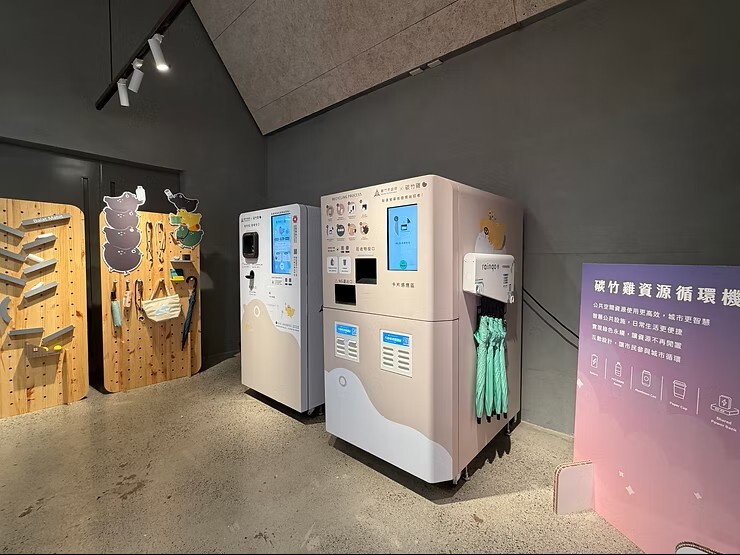
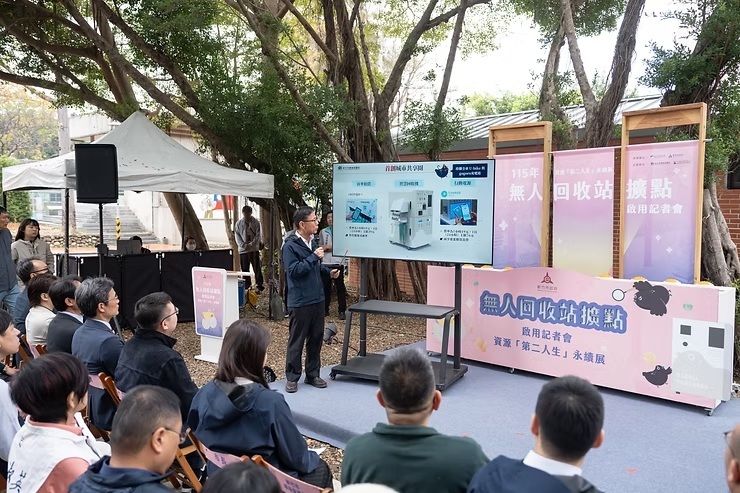
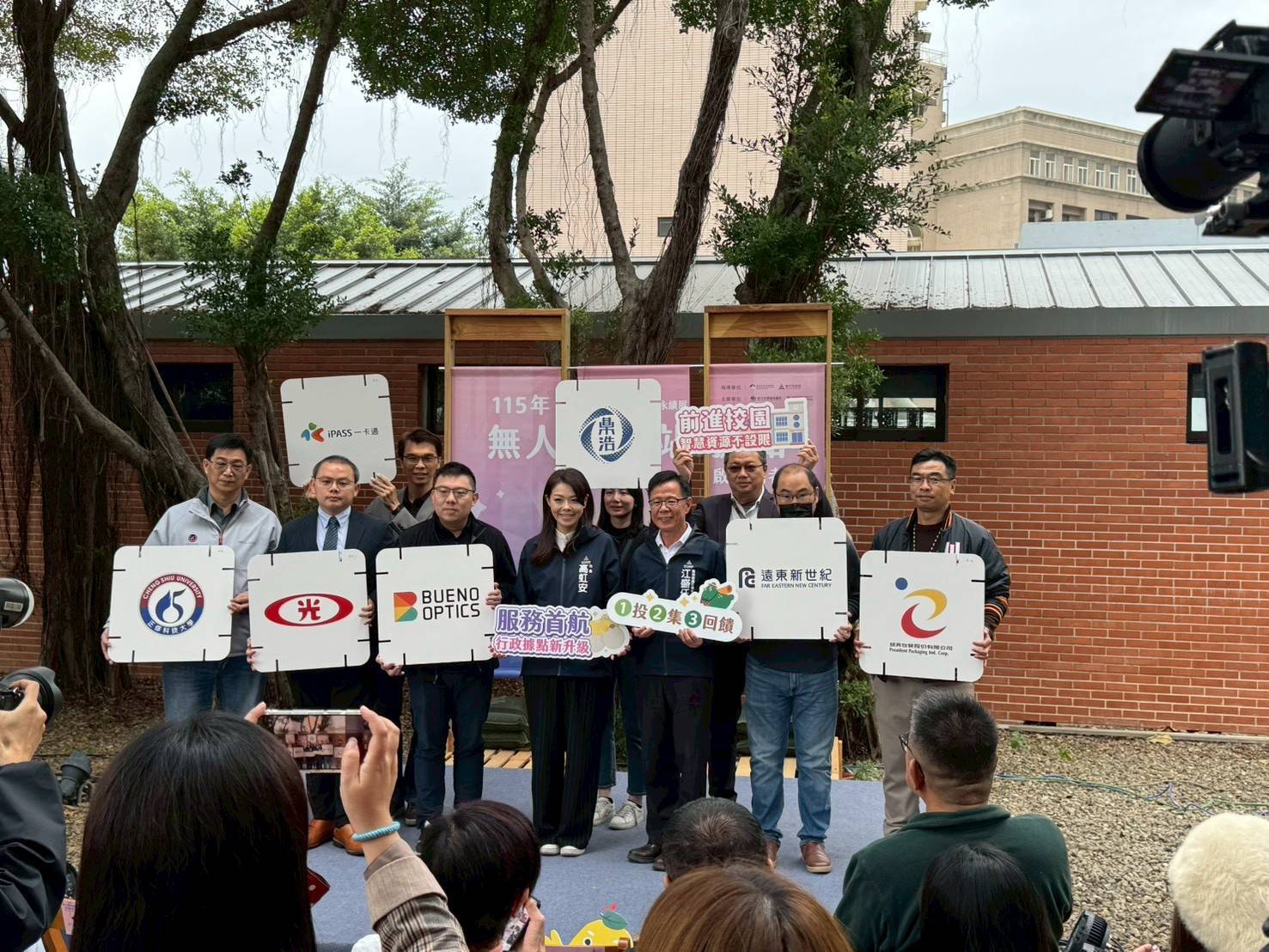
Recently, CSU was invited by its partner BUENO SYSTEMS to attend the press conference for the “Second Life for Resources Sustainability Exhibition” in Hsinchu City. The event showcased the integrated application of CHARGESPOT shared power banks, raingo shared umbrellas, and Carbon Bamboo Chicken smart recycling machines, demonstrating how the sharing economy and intelligent recycling systems can be effectively implemented in urban settings. This is not merely an exhibition—it represents a shift toward a more sustainable lifestyle.
Sustainable Recycling × Shared Services: Combining Convenience with Environmental Responsibility
Centered on the concept of “Sustainable Recycling × Shared Services,” the exhibition highlighted how integrated systems—such as shared charging services and smart recycling machines—allow the public to conveniently engage in both resource sharing and recycling in daily life.
For CSU, such integration is already familiar. Over the years, the University has actively promoted smart recycling, data-driven carbon reduction, and behavioral change initiatives on campus. From installing intelligent recycling equipment to establishing data monitoring and carbon reduction tracking systems, CSU has developed a comprehensive model for campus sustainability. Sustainability is no longer just a concept—it has become an integral part of everyday decision-making.
Leading in Recycling: The Power of Systems and People
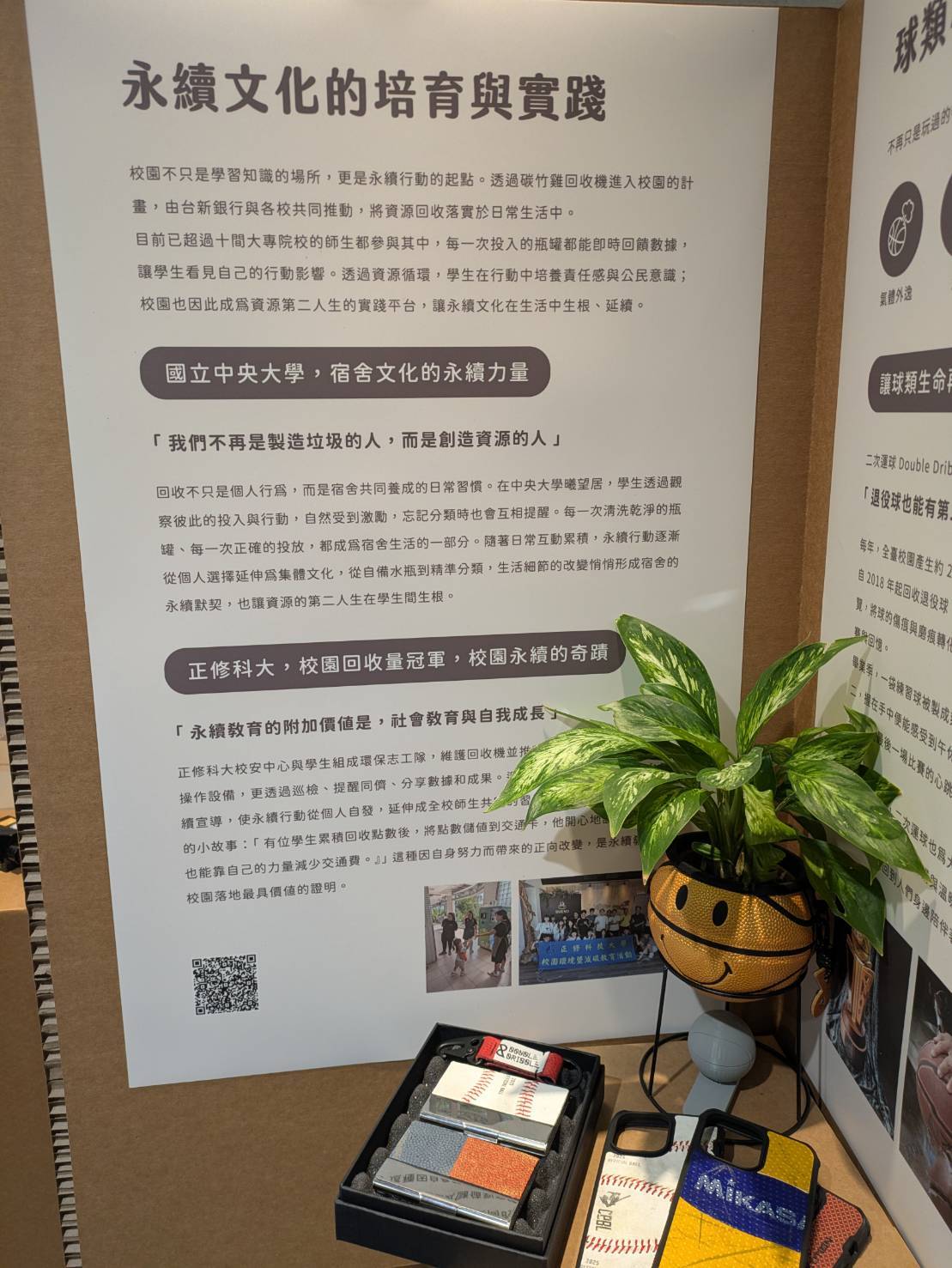
Among all participating campuses, CSU has achieved the highest recycling volume, a result of long-term institutional development and cultural cultivation.
1. Joint Efforts by Faculty and Students: Ensuring System Efficiency
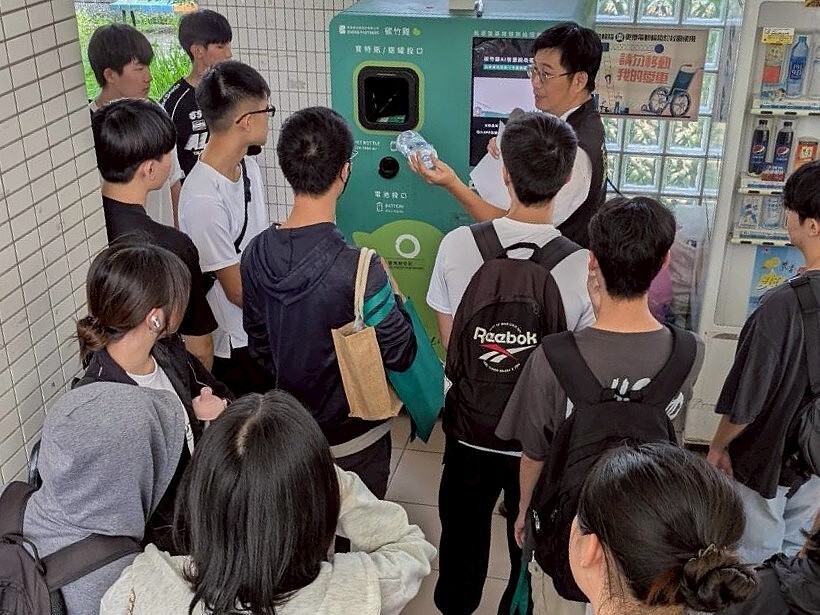
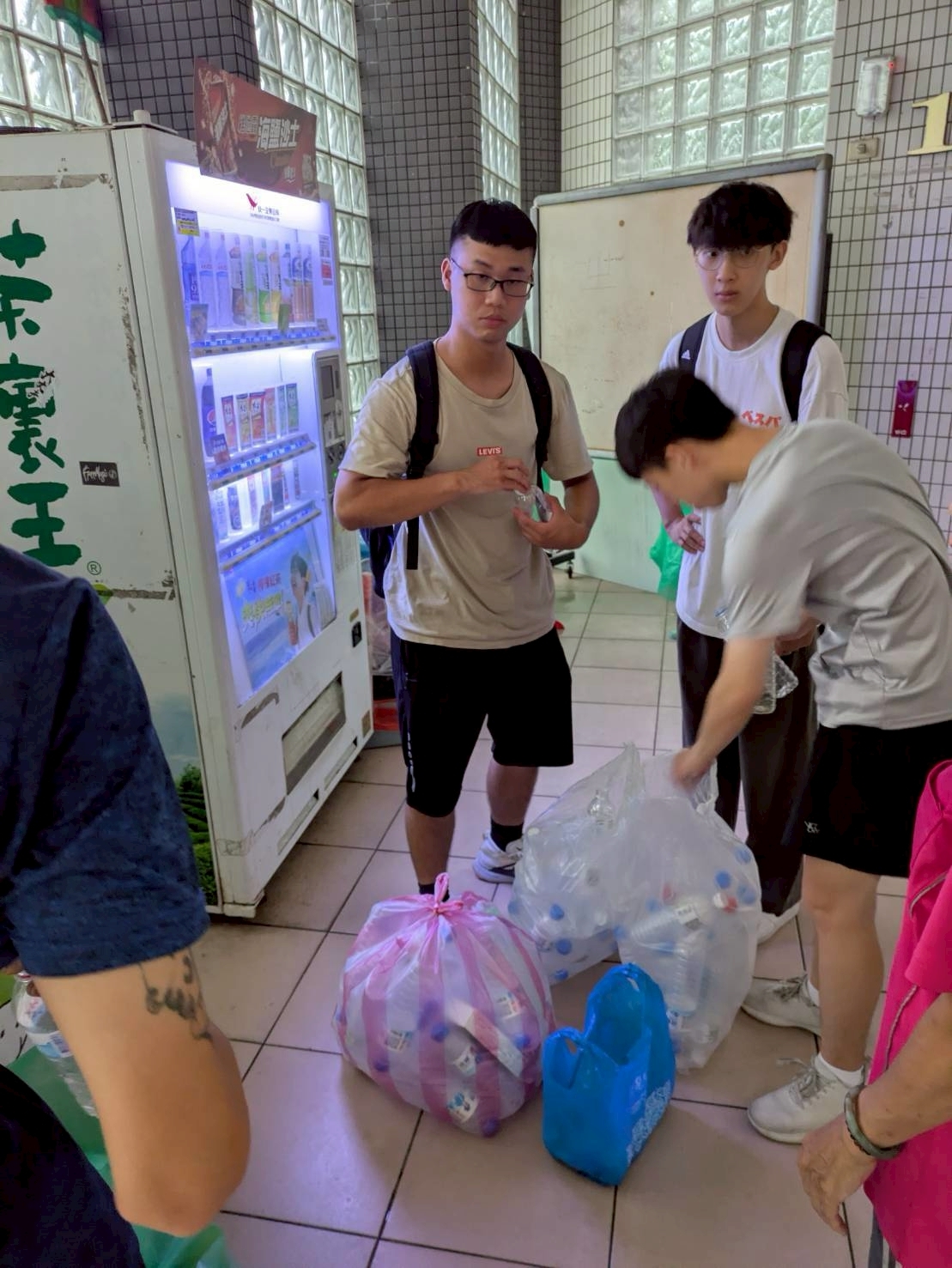
CSU’s Campus Security Center collaborates with student volunteers to form an Environmental Volunteer Team, responsible for daily inspections of recycling machines, including replacing collection bags, checking equipment, and reporting malfunctions. This operational mechanism ensures the system runs efficiently and reliably.
During inspections, volunteers also educate peers on proper recycling practices—such as sorting requirements and the importance of cleaning containers—turning recycling stations into extended spaces for environmental education.
2. From Awareness to Habit: Embedding Sustainability into Campus Culture
CSU recognizes that sustainability cannot rely solely on awareness campaigns. Through weekly assemblies, class representative systems, LINE group reminders, and centralized recycling mechanisms, energy-saving and recycling practices are consistently reinforced.
Students naturally recycle bottles after sports activities, student organizations sort waste after events, and administrative and academic units collect batteries and recyclables centrally. As behaviors become habits, sustainability becomes culture.
3. Data-Driven Impact: Making Contributions Visible
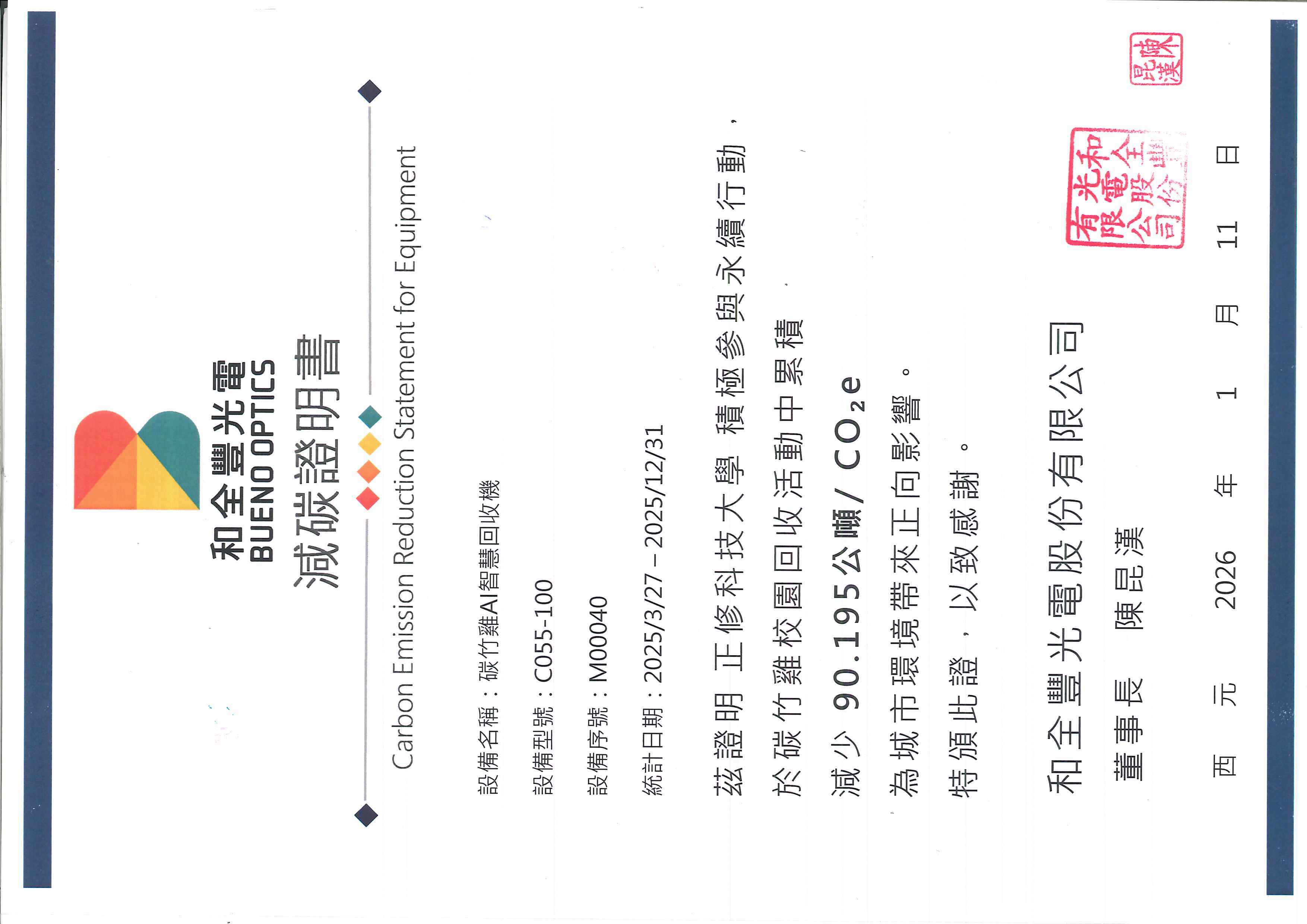
CSU has systematically tracked its campus carbon reduction achievements, with a cumulative reduction of approximately 90 metric tons of carbon emissions in the 114 academic year.
This is more than just data—it is a way of making impact visible. Smart recycling machines display real-time carbon reduction data, allowing students to see the tangible environmental benefits of their actions. When contributions are quantified and recognized, sustainability becomes a source of achievement and identity.
Beyond Recycling: Cultivating Responsibility and Social Values
CSU emphasizes that recycling is not only an environmental action, but also an opportunity for character education and social responsibility.
Through sorting recyclables, maintaining equipment, and collaborating in teams, students develop responsibility, patience, and communication skills. Incentive systems further enhance participation and confidence, transforming sustainability into an integrated practice that combines technical education with social values.
For a university of technology, “learning by doing” is essential—and in sustainability, it evolves into “changing through doing.”
From Campus to City: Expanding Sustainable Impact through Collaboration
By participating in the “Second Life for Resources Sustainability Exhibition,” CSU further recognizes the importance of cross-sector collaboration in advancing sustainability. From campus environments to urban spaces, meaningful impact can only be achieved through the combined efforts of universities, industries, and government.
Looking ahead, CSU will continue to deepen partnerships with public sectors, corporate partners, and sustainability initiatives, extending its campus experience into broader public domains. By embedding sustainability into everyday life, the University aims to help build a more resilient and environmentally friendly future for the next generation.