Industry-Academia Collaboration and Patents
Industry–Academia Collaboration Strategy
Cheng Shiu University prioritizes industry–academia collaboration as one of its three institutional development pillars, integrating academic expertise with industry technologies.
|
Vision |
Strategies |
Goals |
|
Through R&D, technology transfer, business incubation, and strategic alliances, the University gains complementary technologies, talent, and partnerships. |
● Continue implementing pilot industry–academia projects to expand faculty collaboration experience. ● Strengthen faculty–industry matching mechanisms to foster closer engagement with enterprises. ● Form industry–academia R&D and innovation teams, or establish cross-university research collaborations. |
● Achieve net-zero emissions by 2050. ● Advance six core strategic industries. |
Beyond support from the Office of Research and Development, the University integrates departmental expertise through its Industry–Academia R&D Center and five technology research centers to provide industry services and promote innovation. It also partners with government and industry to offer specialized programs, advancing applied R&D and technology-integrated education.
In 2025, CSU ranked 11th among Taiwan’s top 30 universities of science and technology and 10th nationwide for industry–academia collaboration—first among private universities of science and technology—in Global Views Monthly’s Best Universities Ranking. From 1995 to 2026, CSU was recognized by the Chinese Institute of Engineers 16 consecutive times over 32 years for excellence in industry–academia collaboration.
◎ Five Technology Research Centers
|
Center for Industry-Academia R&D |
||||
|
Center for Environmental Toxin and Emerging-Contaminant Research |
Conservation and Research Center |
Center for Engineering Research Technology |
Construction Science and Technology Center |
Center for Electrical Research Technology |
|
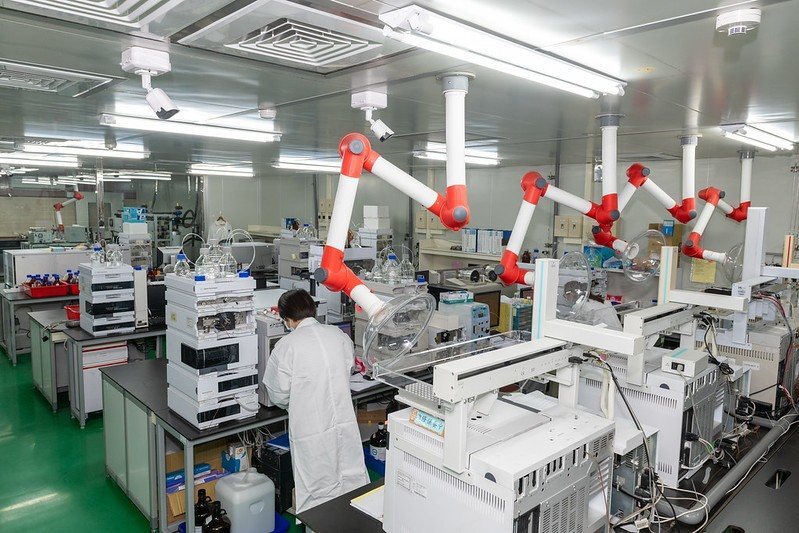
Supporting the UN SDGs, the University leverages national-level environmental, food, and anti-doping testing expertise to advance pollution monitoring and health risk assessment for the high-tech and biomedical industries. Industry collaboration and professional services further strengthen environmental governance and sustainable development. |
Focusing on sustainable construction and engineering inspection, the University advances industrial by-product reuse and resource circularity. Non-destructive technologies—including ground-penetrating radar, drones, and 3D laser scanning—support structural inspection, facility monitoring, and spatial data development. |
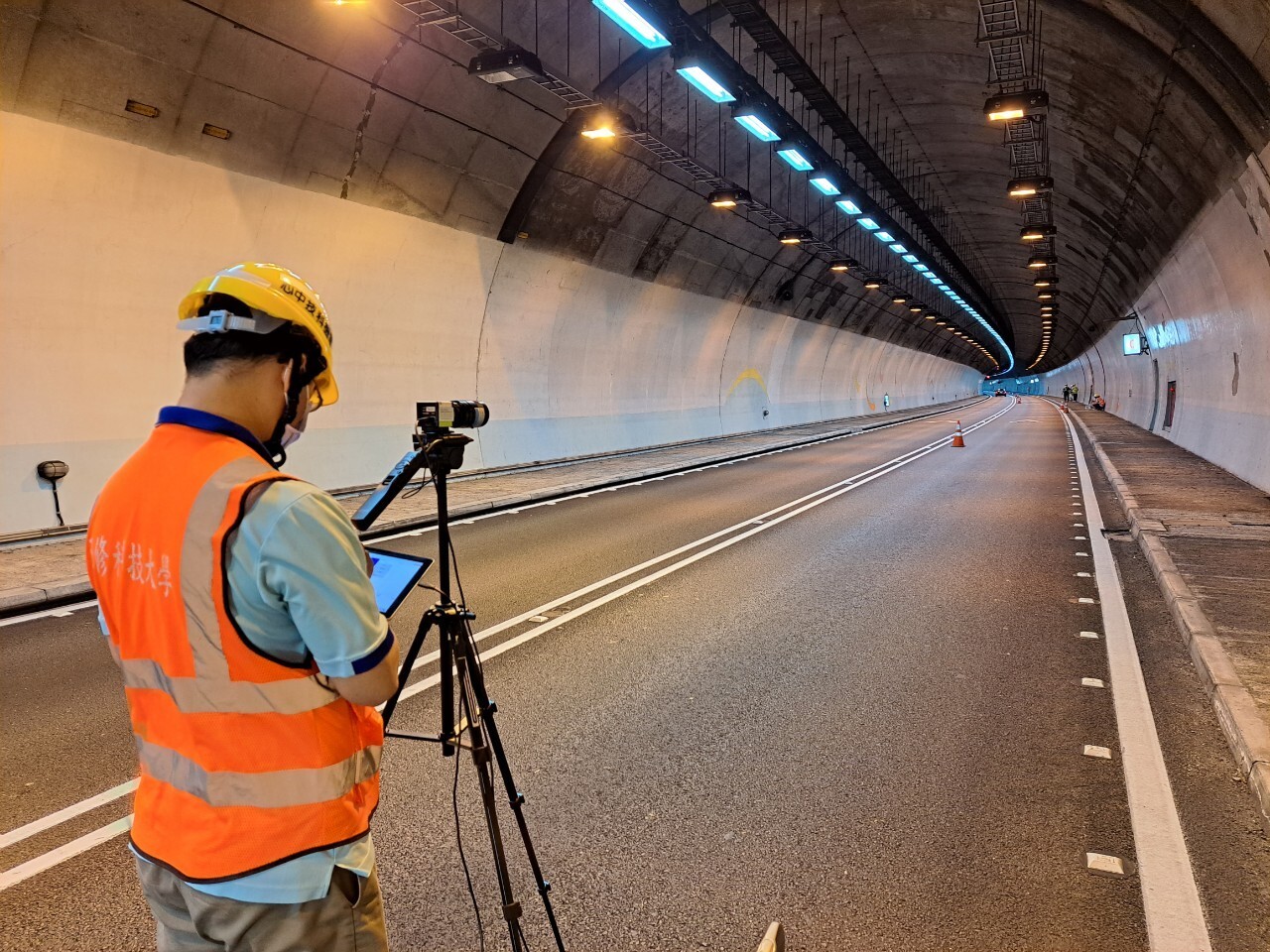
The Electrical Technology Center’s Environmental and Reliability Laboratory is TAF-accredited for: (1) Designated commodity testing. (2) Environmental product certification testing. (3) Energy-efficiency testing |
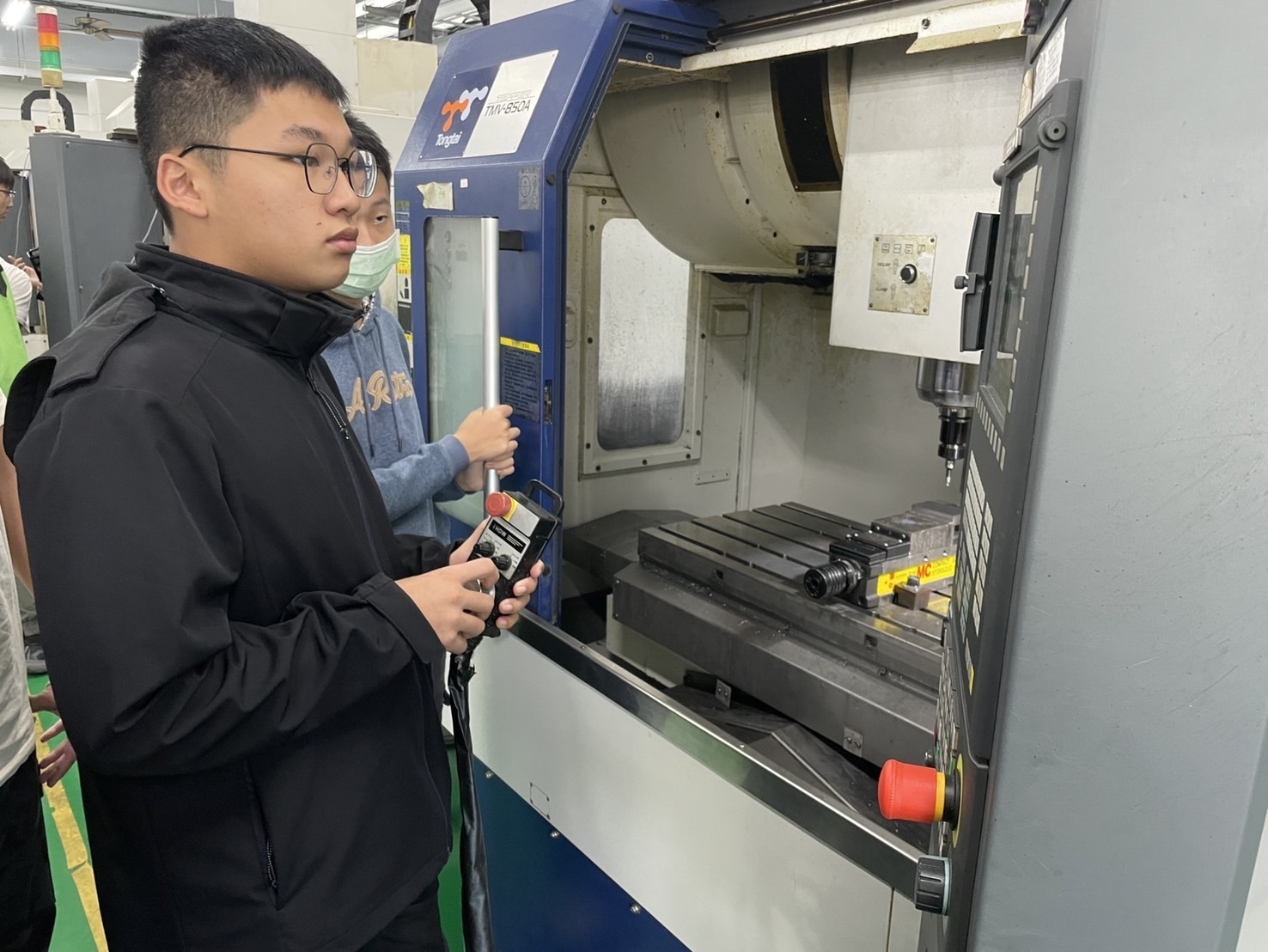
Integrating AI-enabled manufacturing and industry collaboration, the University supports low-carbon transformation and process optimization. Its CNC training center, TAF-accredited services, and “workplace as classroom” model strengthen applied talent development and local industry partnerships. |
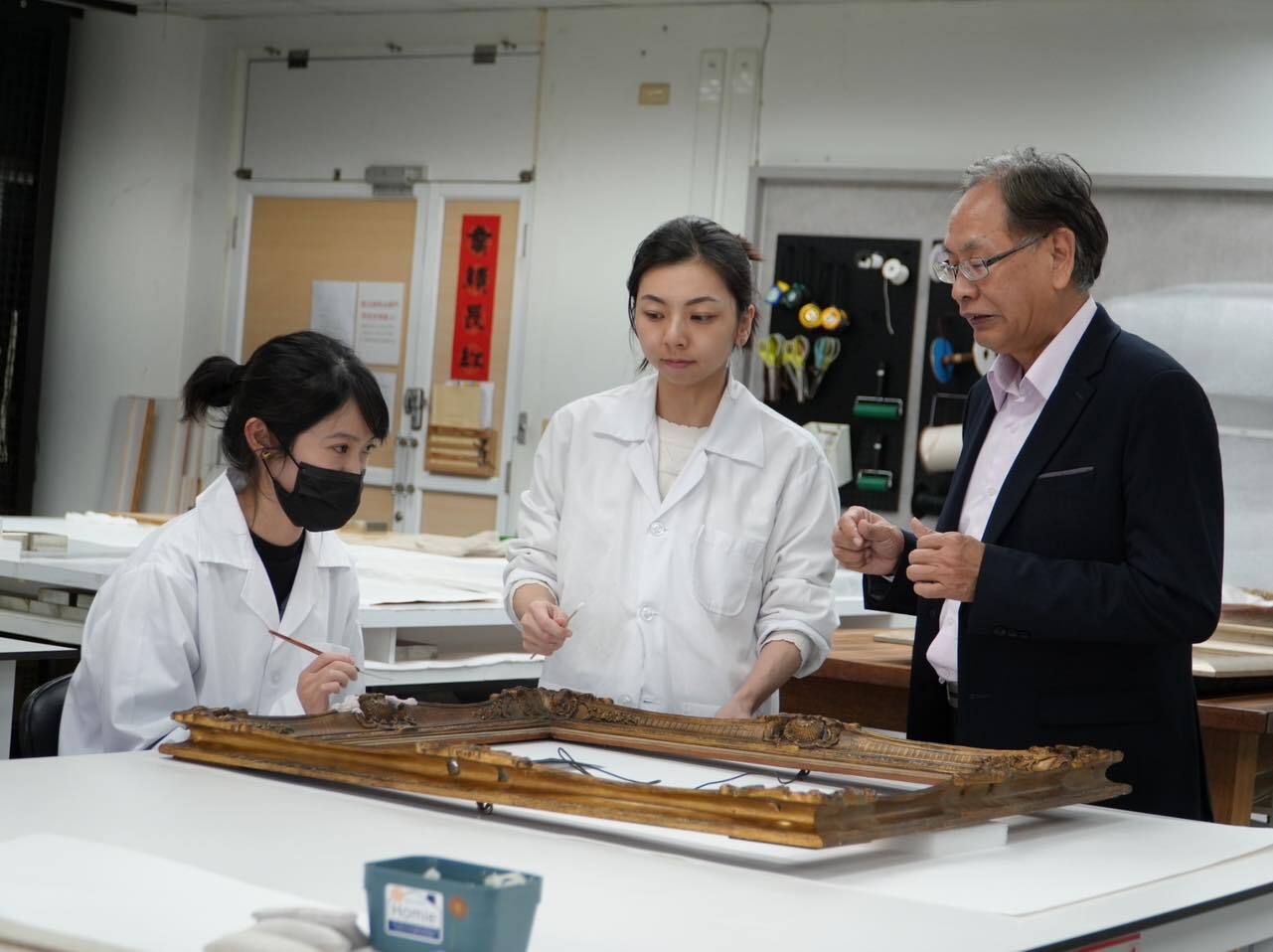
Taiwan’s first technology-driven cultural heritage conservation research center advances conservation techniques and materials through international collaboration and innovation, strengthening Taiwan’s research capacity and global impact. |
 |
 |
|
▲ Environmental Research Center: Testing and Analysis |
▲ Electrical Technology Center: Tunnel and Road Lighting Measurement |
 |
 |
|
▲ Engineering Research Center: Multi-Axis Machining |
▲ Conservation and Restoration Center: Artwork Examination |
Industry–Academia Collaboration Achievements
|
Year |
2023 |
2024 |
2025 |
|
Number of Industry–Academia Projects |
1,699 |
1,606 |
1,652 |
|
Number of Partner Enterprises |
1,262 |
1,506 |
1,325 |
|
Total Value of Industry–Academia Collaboration (NTD) |
409,702,619 |
451,133,601 |
433,084,673 |
|
Number of Full-Time Faculty |
406 |
386 |
371 |
|
Average Industry–Academia Project Funding per Full-Time Faculty (NTD) |
1,009,119 |
1,168,739 |
1,167,344 |
Total Value of Industry–Academia Collaboration (Unit: NTD)
 |
 |
|
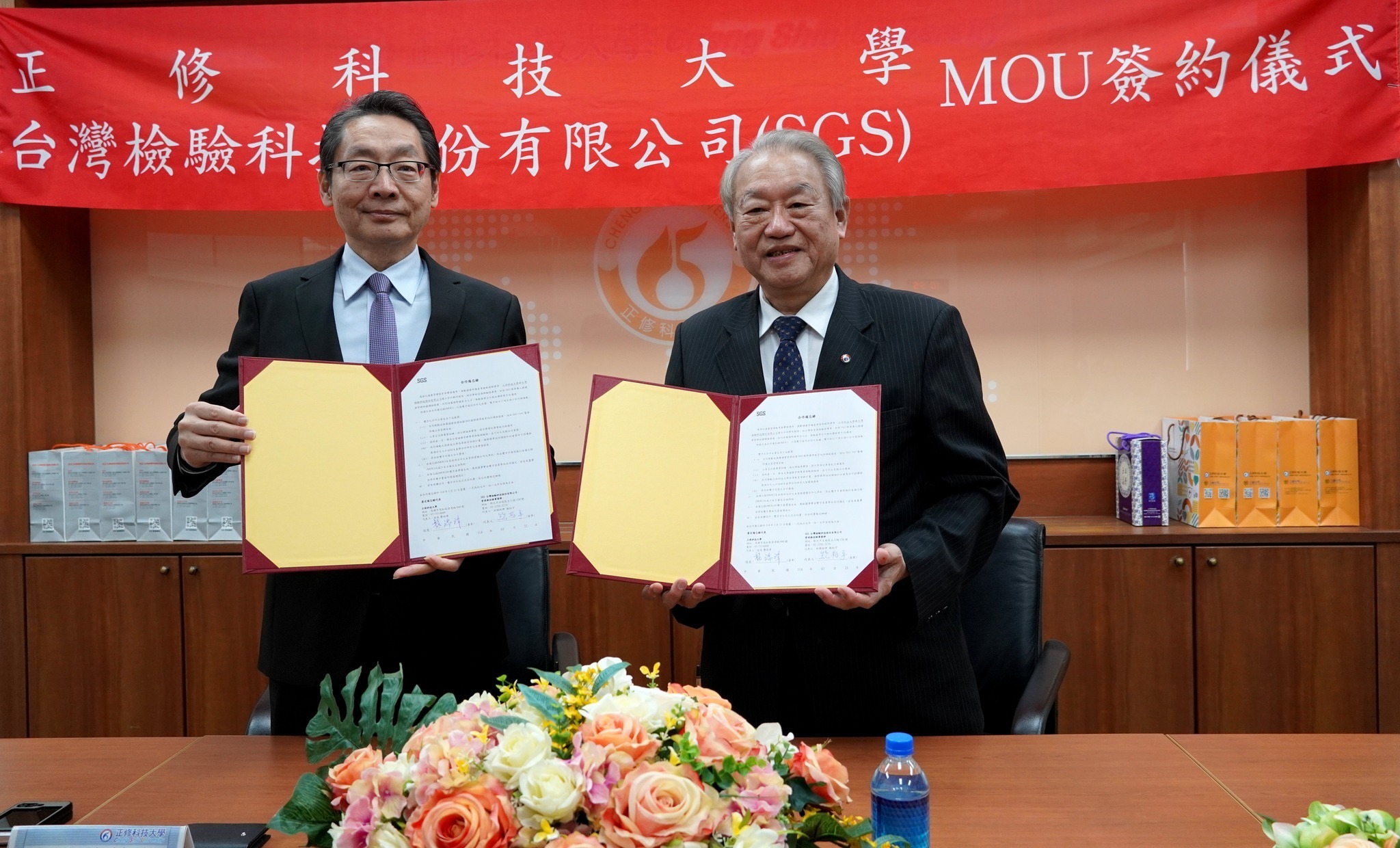
▲ MOU with SGS Taiwan |
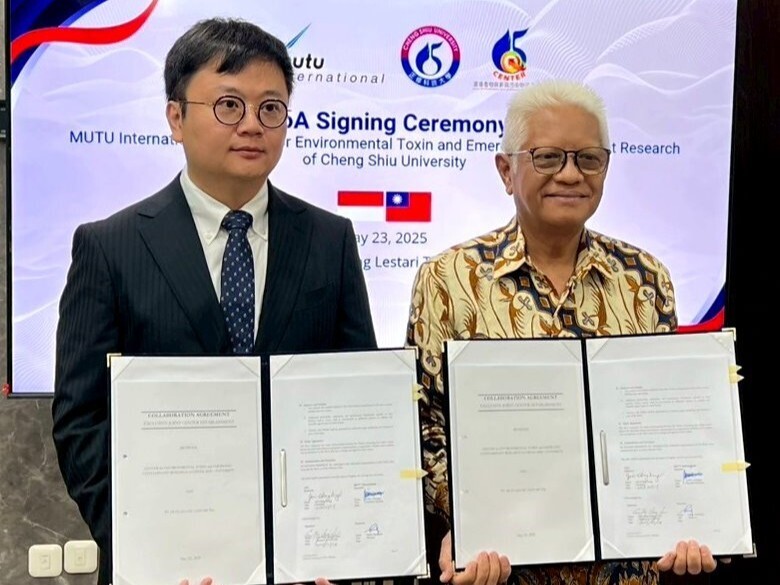
▲ Joint Research Center with MUTU Indonesia |
◎ Faculty Research and Industry Collaboration Support
The University provides institutional incentives, administrative support, and funding for faculty research, industry collaboration, and technology development.
Industry collaboration outcomes are also incorporated into faculty evaluations, strengthening research capacity and industry engagement.
Faculty Research Projects in 2025
|
Type |
Implementation |
Outcome |
|
Internal Pilot Research and Applied Projects |
Supports proof-of-concept, key technology development, interdisciplinary teams, industry collaboration, patents, and technology transfer. Faculty also engage students in applied research. |
52 projects approved, totaling NT$8.10 million. |
|
External Research and Industry Collaboration |
Supports applications for NSTC and government projects while aligning faculty expertise with industry needs to strengthen applied and interdisciplinary research. |
20 NSTC projects approved, totaling NT$20.249 million. |
Industry–Academia Programs
CSU offers integrated work–study programs aligned with industry needs. in the 2024–2025 academic year, 76 classes were offered under industry–academia, dual-track, and overseas compatriot programs.
Over 70% of graduates remained with their internship employers, worked in Taiwan, or pursued further study. Notably, 97.66% of overseas compatriot graduates remained in Taiwan for career development.
◎ Industry–Academia Programs for Practice-Oriented Talent
CSU partners with vocational high schools and over 100 companies to integrate study, internships, workplace training, and financial support. Industry-aligned curricula emphasize learning by doing and prepare students for careers in technology, manufacturing, services, hospitality, and retail.
◎ Industry Talent Program for Key Technologies
To meet workforce demand in strategic industries, CSU co-designs specialized programs with enterprises. in 2025, the Department of Electronic Engineering launched a Semiconductor Packaging Program, improving graduate employability while addressing industry talent shortages.
◎ International Industry–Academia Programs
Under Taiwan’s New Southbound Policy, CSU offers industry–academia programs for overseas compatriot and international students. Employer-aligned courses and practical training develop internationally competitive technical talent.
The 1+4 International Program provides 720 hours of intensive Mandarin instruction in the first year, followed by professional study upon achieving A2 proficiency, supporting students’ integration and career readiness in Taiwan.
◎ Mandarin Learning and Cultural Integration for International Students
.TOCFL Preparation: Five courses were offered in the 2024–2025 academic year, serving 102 international students.
.Cultural Experiences: Activities included Chinese knotting, calligraphy, festival foods, and traditional mask painting.
.Well-Being Support: Depression screening, art-based group counseling, and international student advisors strengthened campus support and access to counseling.
Industry–Academia Collaboration Program Enrollment (Domestic, Overseas Chinese, and International Students)
|
Academic Year |
2023 |
2024 |
|
Industry–Academia Collaboration Program |
497 |
624 |
|
Dual-System Flagship Program |
219 |
116 |
|
Overseas Compatriot Industry–Academia Program |
1,004 |
1,051 |
|
2+i International Industry–Academia Program |
40 |
12 |
|
International Foundation Program |
109 |
138 |
|
New Specialized Program |
- |
38 |
|
Other |
215 |
215 |
|
Total |
2,084 |
2,194 |
Note: the number of classes and enrolled students is based on first-semester data for each academic year.
|
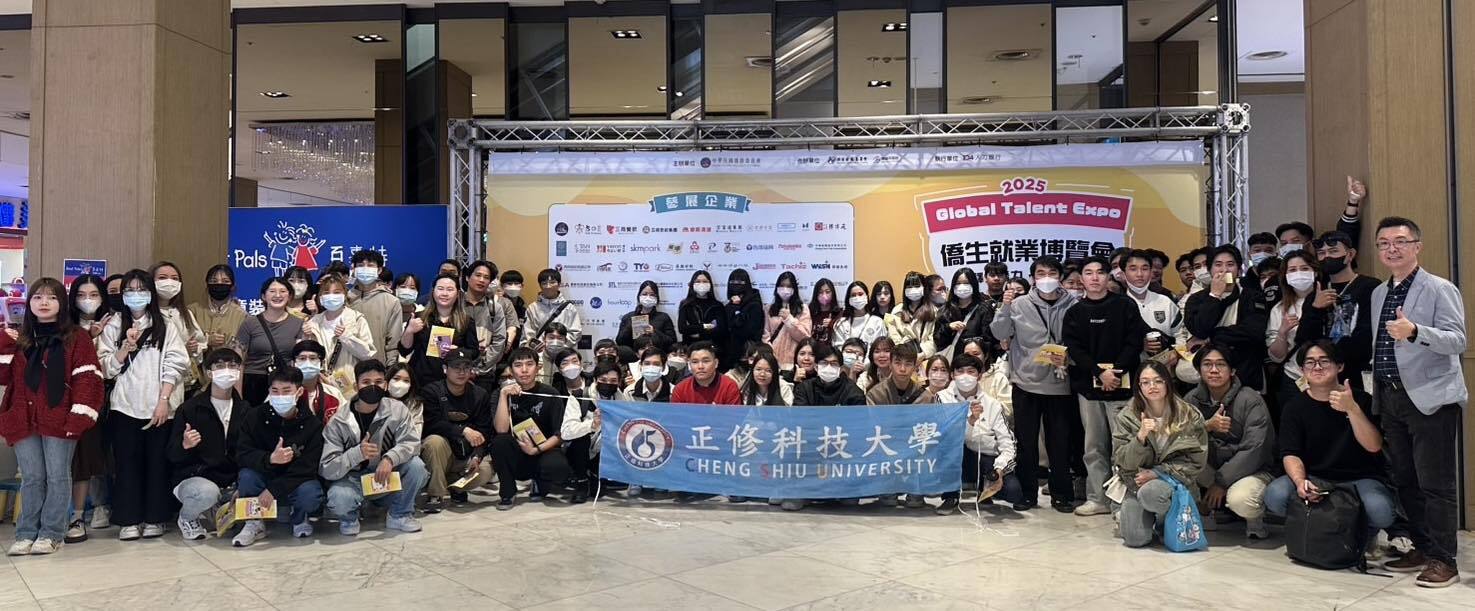
▲ Overseas Compatriot Students Attending a Career Fair |
 |
 |
|
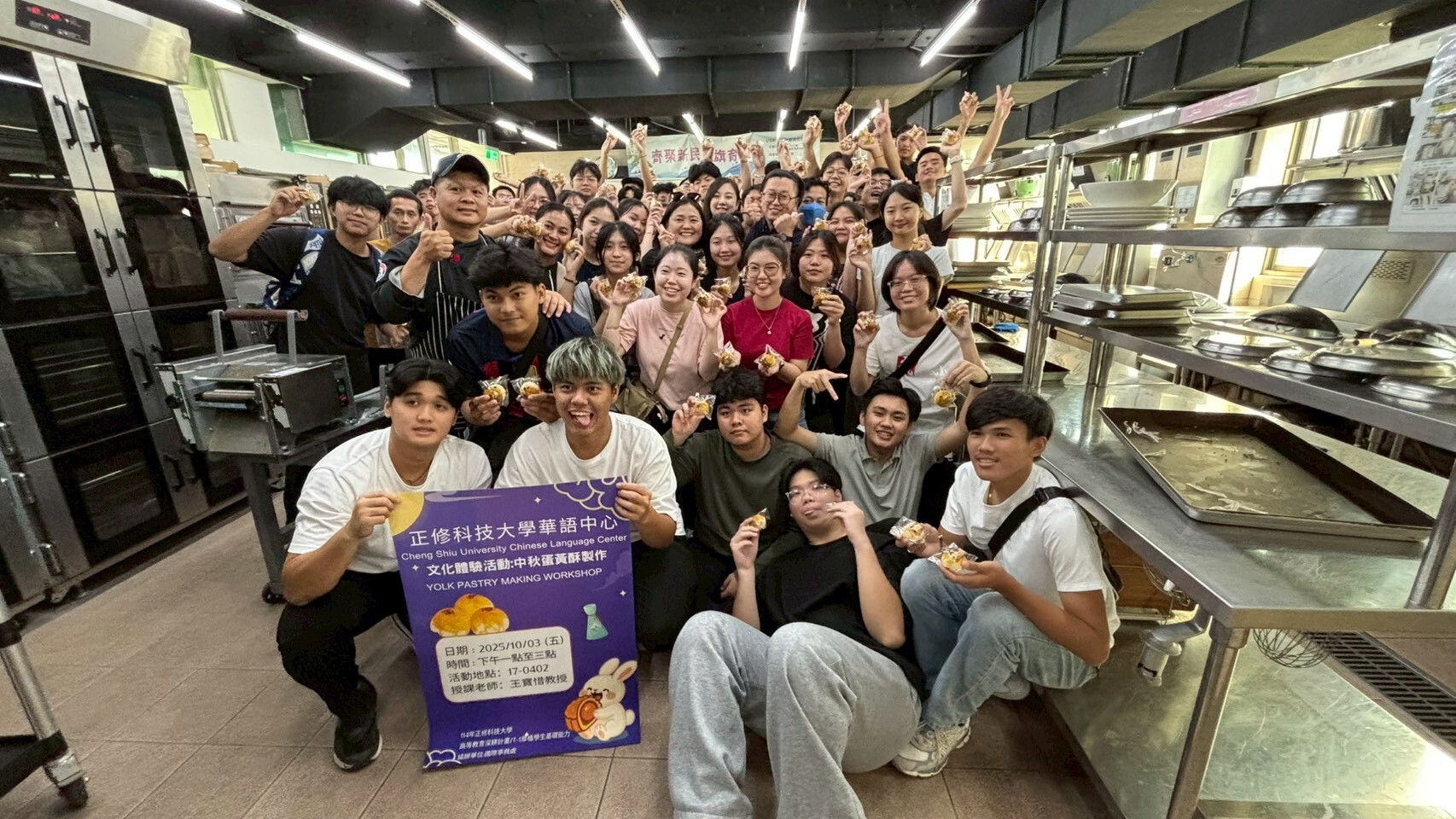
▲ Mid-Autumn Festival Mooncake Workshop for Overseas Compatriot Students |
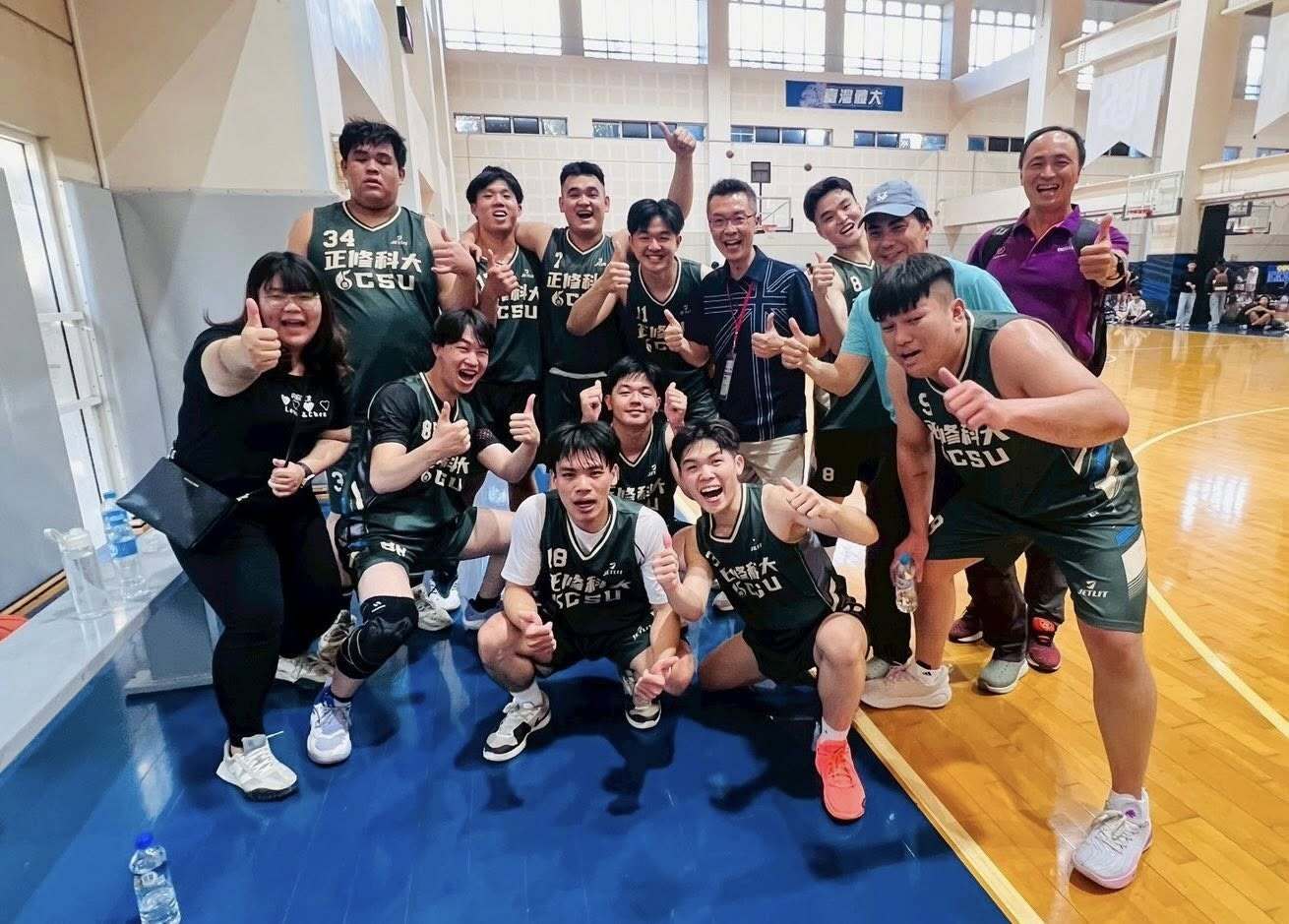
▲ National Overseas Compatriot Student Games: Men’s Basketball |
Patents and Technology Transfer
CSU promotes patent development and industry-based technology transfer, converting research into practical applications and new ventures. in 2025, the University secured 50 patents—26 invention and 24 utility model patents—and completed 21 technology transfers worth NT$22,299,173.
Interdisciplinary teams integrate engineering, information technology, environmental science, and management to develop net-zero and sustainable solutions, including floor-cleaning machines, environmental monitoring systems, and valuable-metal recovery from red mud waste. These partnerships align research with market needs and enhance social impact.
◎ Top Five Technology Transfers By Revenue
Technology transfers primarily focus on environmental and sustainability solutions, reflecting strong alignment between CSU’s research capacity and local industry needs while supporting corporate sustainability transitions.
The top five technologies by transfer revenue in 2025 were:
.Specialized Water Pollutant Identification for High-Tech Industries
.Large-Pipeline Cleaning Robot Development—Phase III
.Organic Waste Assessment
.Advanced Drinking Water Contaminant Testing
.High-Resolution Mass Spectrometry for Dioxin Analysis
These transfers highlight CSU’s strengths in water quality, soil and pollutant testing, and waste reduction. Applying research to industry strengthens regulatory compliance, environmental governance, and the transition toward net zero and sustainability.
Patents Granted and Technology Transfer Overview
|
Year |
Patents Granted |
Technology Transfer |
|||
|
Invention Patents |
Utility Model Patents |
Patents Licensed |
Transfer Cases |
Transfer Value (NTD) |
|
|
2023 |
18 |
40 |
8 |
30 |
19,570,900 |
|
2024 |
18 |
35 |
3 |
25 |
22,799,395 |
|
2025 |
26 |
24 |
0 |
21 |
22,299,173 |
Note: Figures are updated on a rolling basis to align with the University Information Disclosure Platform.
Center for Industrial Sustainability
In response to climate change and Taiwan’s 2050 net-zero goal, CSU established the Industrial Sustainability Development Center in 2023. Integrating low-carbon and smart technologies with practice-oriented education, the Center supports SME transformation and develops professionals in carbon management and ESG.
|
Core Values |
Center for Industrial Sustainability dedicated to providing demand-driven and timely services, with the goal of supporting industrial innovation, smart transformation, and low-carbon sustainable development. |
|
Services |
1. Promote low-carbon industrial transformation. 2. Provide guidance on sustainability planning for industries. 3. Build capacity to support enterprises in carbon inventory and related assessments. 4. Offer ESG training programs to enhance students’ professional expertise and improve employability after graduation. |
Guided by industry needs, CSU advances low-carbon transformation, sustainability planning, carbon accounting, and ESG talent development. Through industry collaboration, professional training, and faculty-led consulting, the University supports Kaohsiung SMEs in strengthening sustainability management while creating a virtuous cycle of talent development and industrial upgrading.
 |
 |
|
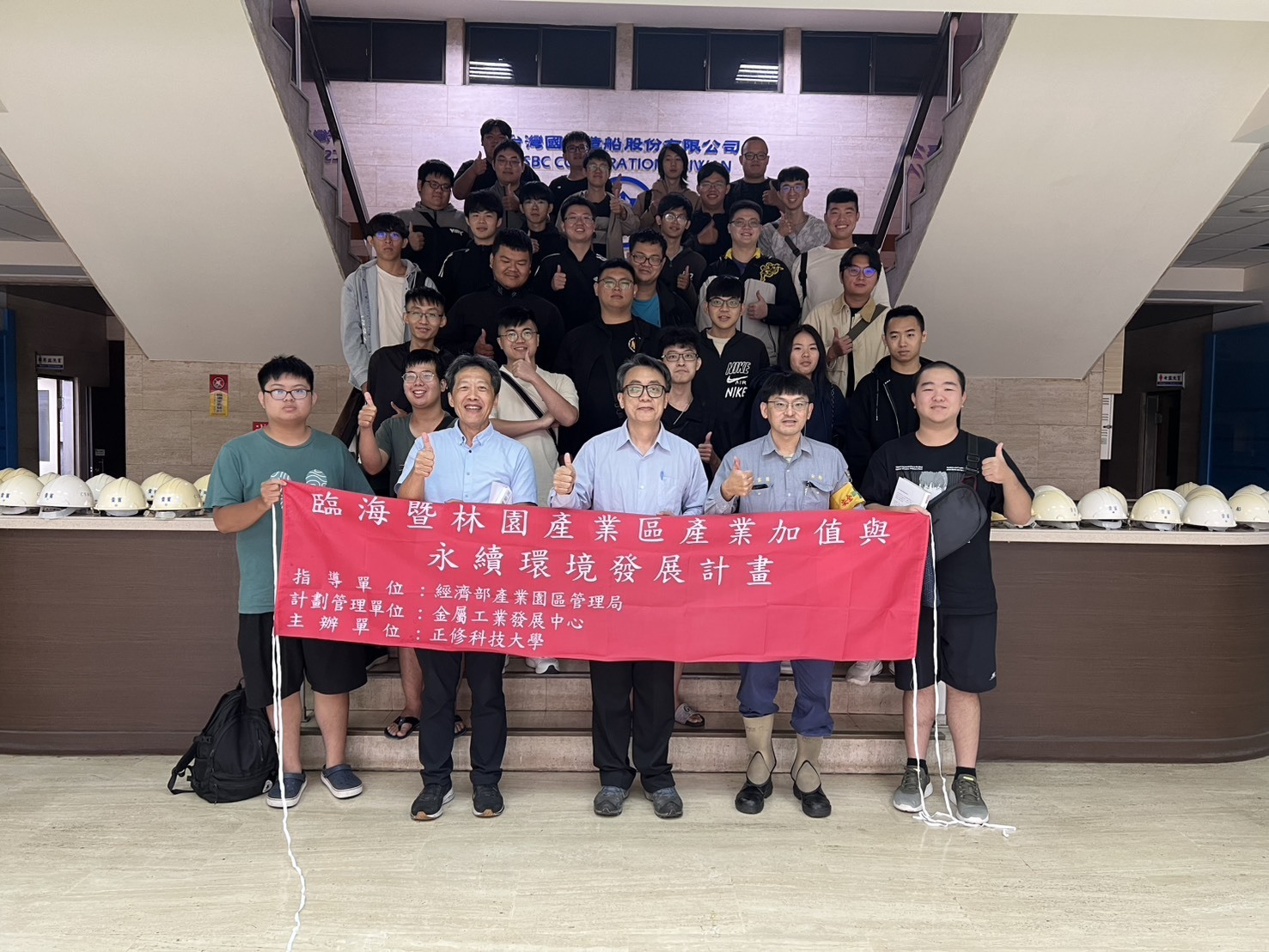
▲Advancing Industrial Value and Environmental Sustainability |
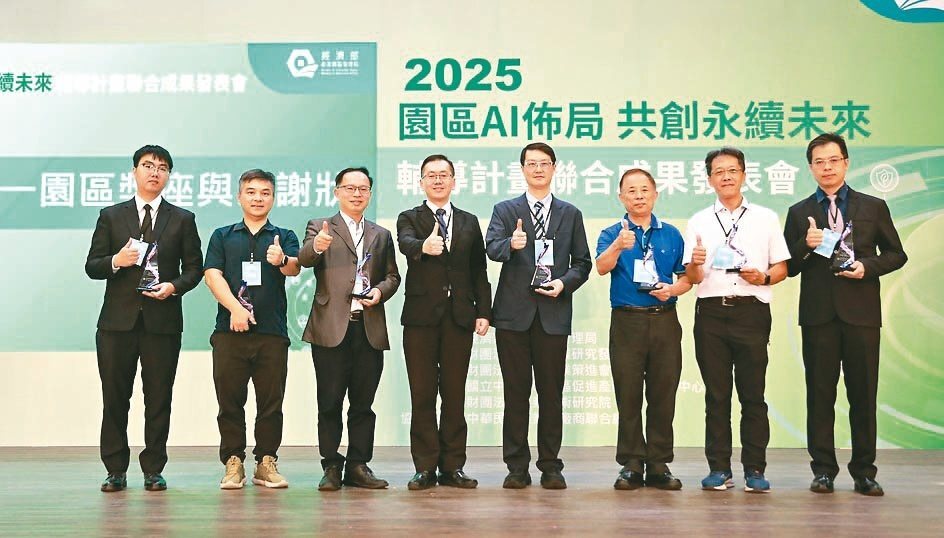
▲ Recognition for Outstanding Academic Support Teams |
2025 Outcomes
.Linhai–Linyuan Industrial Parks: 10 projects covering energy efficiency, SBIR funding, and industry–academia collaboration.
.Dafa–Fongshan Industrial Parks: 5 projects supporting low-carbon and smart transformation, ESCO initiatives, and industry–academia collaboration.