CSU’s USR Projects Win Two Taiwan Sustainability Action Awards for Cultural Preservation and Regional Revitalization
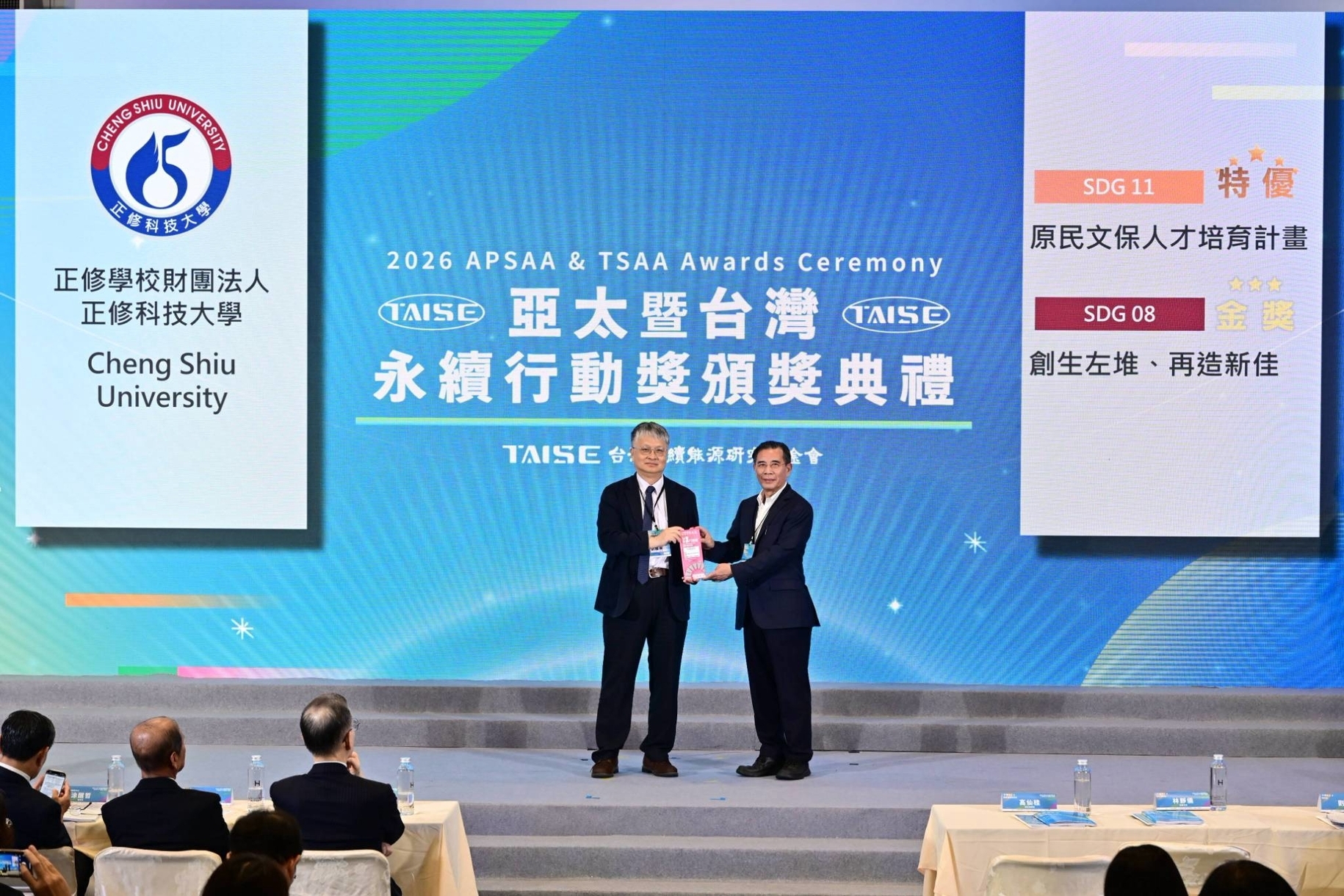
Five Consecutive Years of Recognition for CSU’s USR Achievements
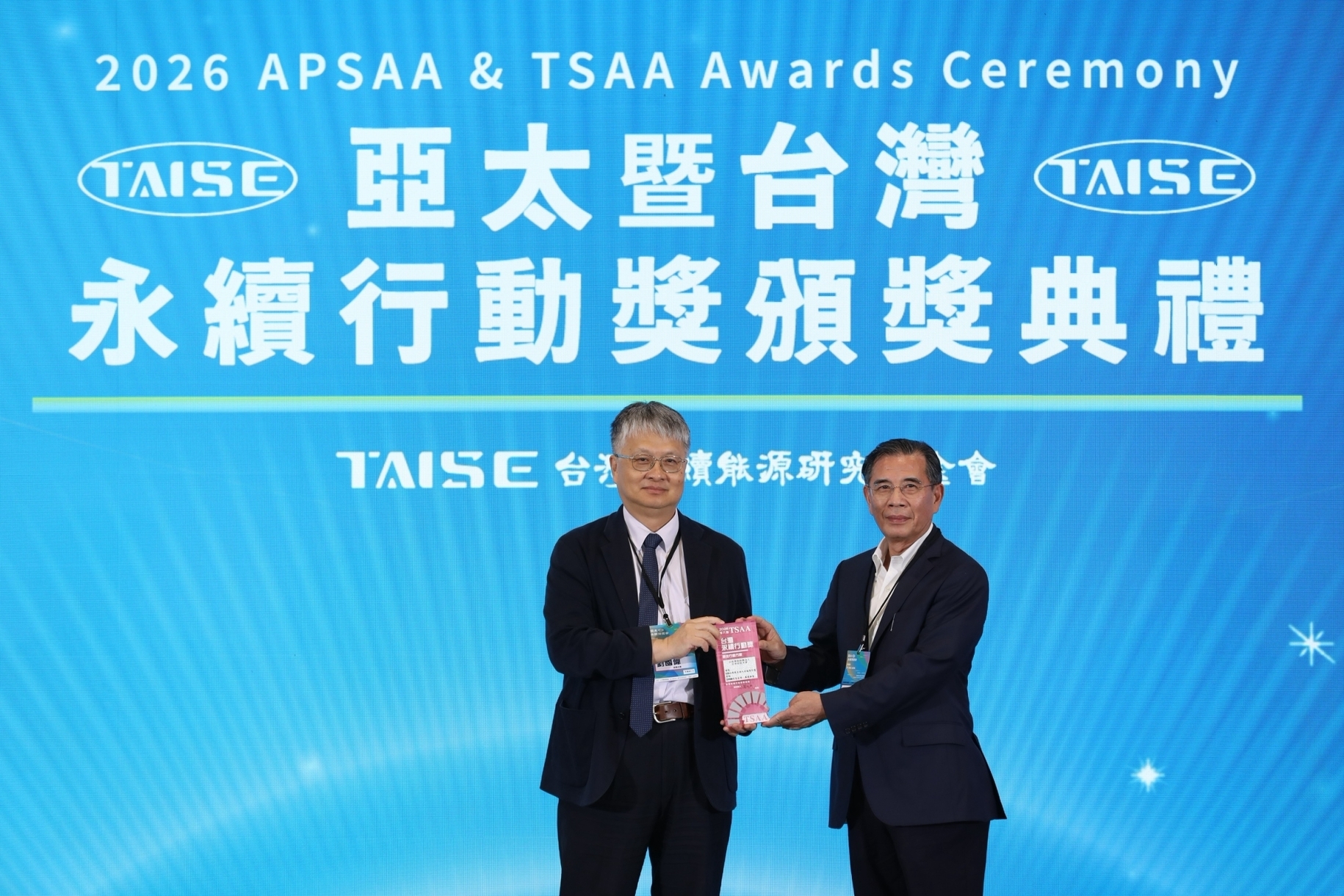
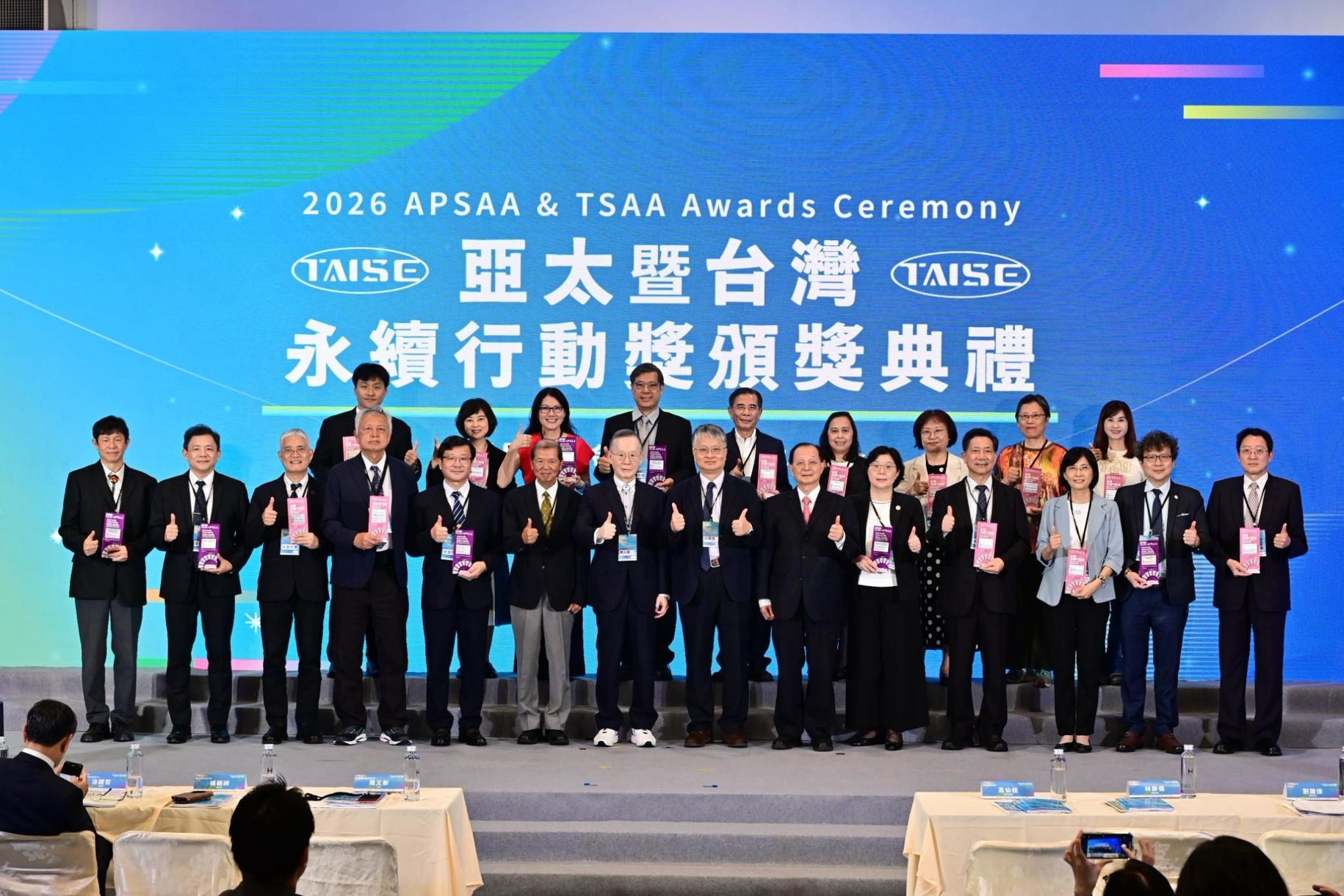
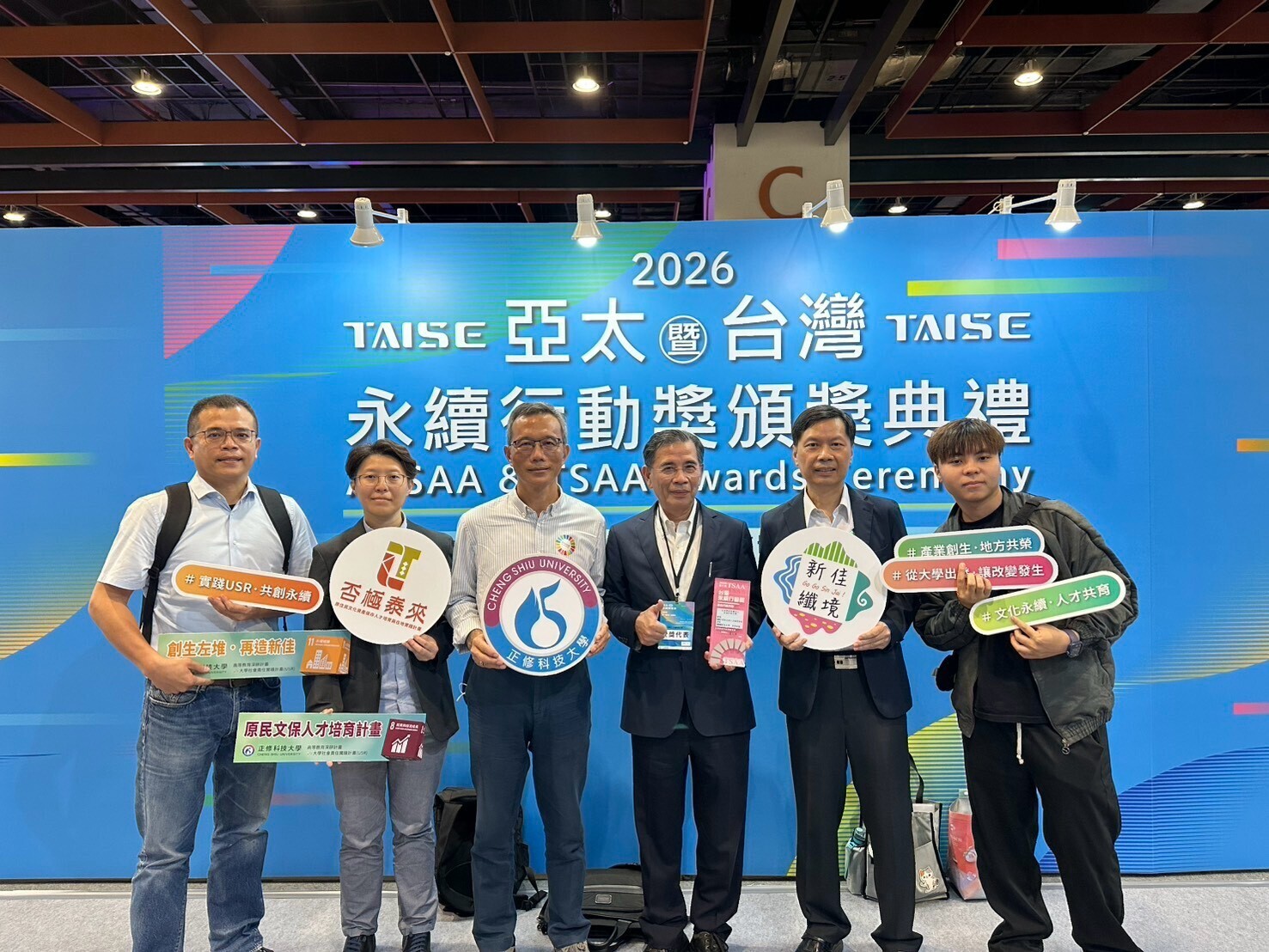
Cheng Shiu University (CSU) received two honors at the 6th Taiwan Sustainability Action Awards (TSAA). The Indigenous Cultural Heritage Conservation Talent Development Project earned the Outstanding Award for SDG 11, while the Revitalizing Liudui: Renewing Xinpi and Jiadong Project received the Gold Award for SDG 8.
This marks CSU’s fifth consecutive year of recognition, demonstrating its sustained commitment to integrating the SDGs into teaching, research, and community engagement to advance cultural preservation, talent development, industrial innovation, and regional revitalization.
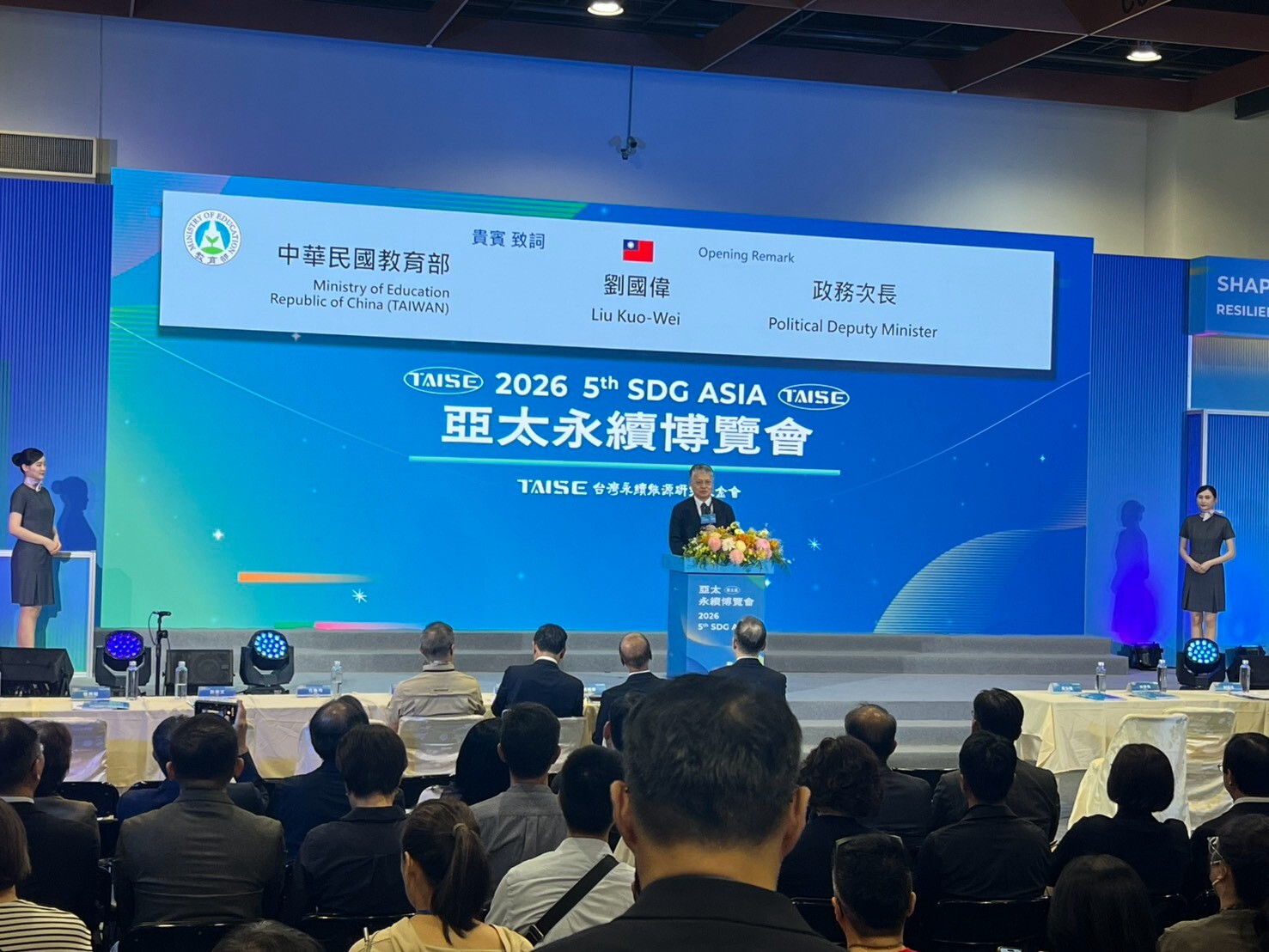
Vice President Kung Jui-Wei accepted the awards at the ceremony held on August 27 at the Taipei World Trade Center. President Kung Jui-Chang emphasized that USR should create lasting social impact beyond individual project outcomes. CSU will continue strengthening collaboration among government, industry, academia, and local communities to align university expertise with regional needs.
Empowering Indigenous Communities to Preserve Their Heritage
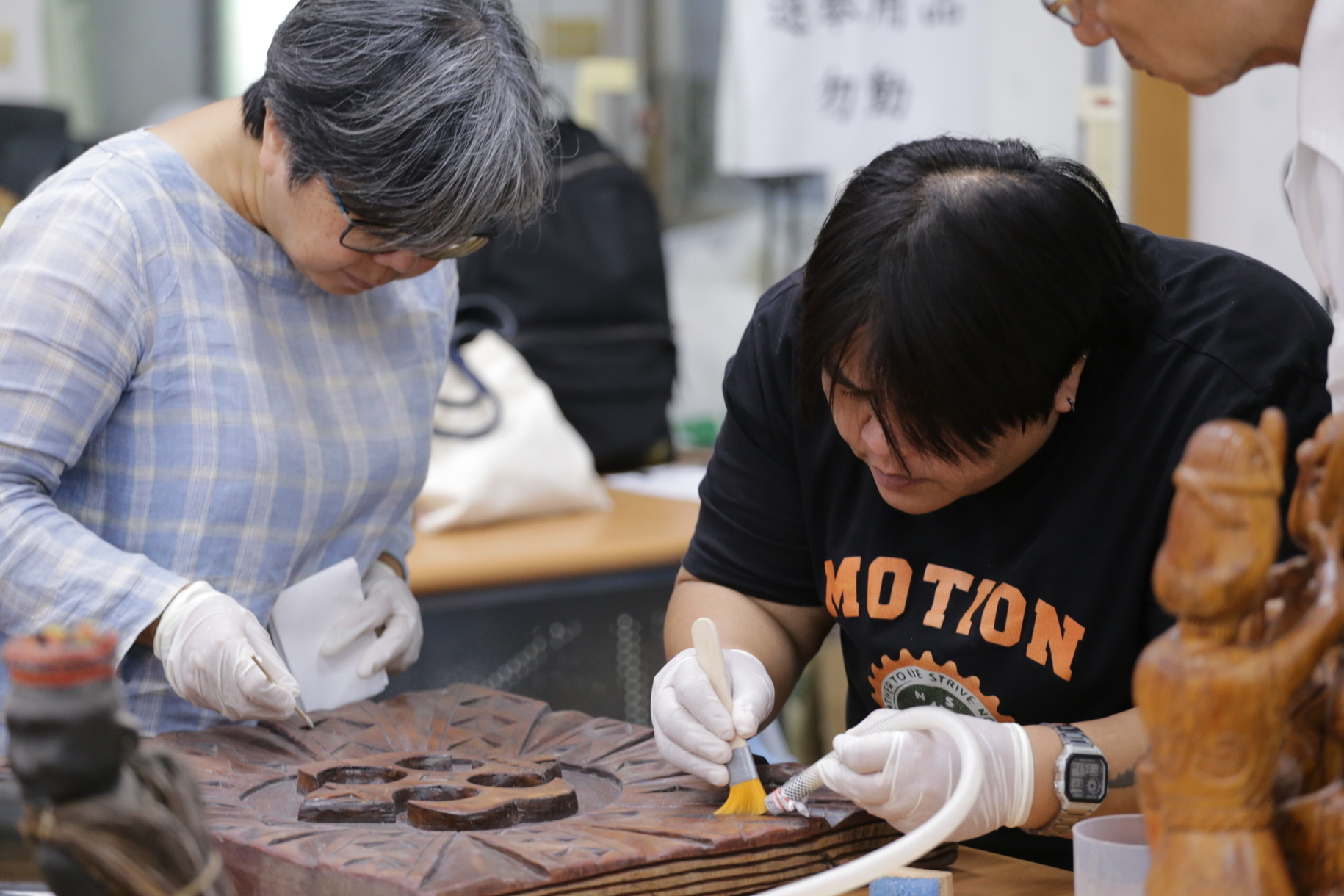
The SDG 11 Outstanding Award-winning project integrates the expertise of CSU’s Department of Visual Communication Design and Center for Cultural Heritage Conservation. Working with Indigenous communities in Taiwu and Laiyi, Pingtung, the project uses scientific analysis, artifact conservation, and Micro-Conservator training to build local capacity for safeguarding cultural heritage.
Center Director Lee Yi-Cheng explained that the initiative shifts from bringing external resources into communities to cultivating local conservation talent. USR courses provide residents with essential knowledge and skills in basic restoration and preventive conservation, reducing damage caused by environmental change or improper handling.
Indigenous artifacts are closely connected to rituals, history, and cultural identity. Some traditional headdresses, for example, incorporate rare bird feathers that are difficult to replace due to wildlife protection regulations, making scientific preservation and preventive care particularly important.
Connecting Culture and Education to Retain Local Talent
Beyond restoring physical artifacts, the project transforms professional knowledge into practical community capabilities. Faculty members, students, and Indigenous residents jointly establish a model integrating heritage conservation, talent development, and knowledge transmission.
Supporting SDGs 4, 10, and 11, the initiative enables residents to progress from participants to locally based conservation practitioners. Its empowerment-based approach keeps skills, knowledge, and cultural resources within communities, strengthening cultural resilience and long-term sustainability.
Adding Agricultural Value and Encouraging Youth Return
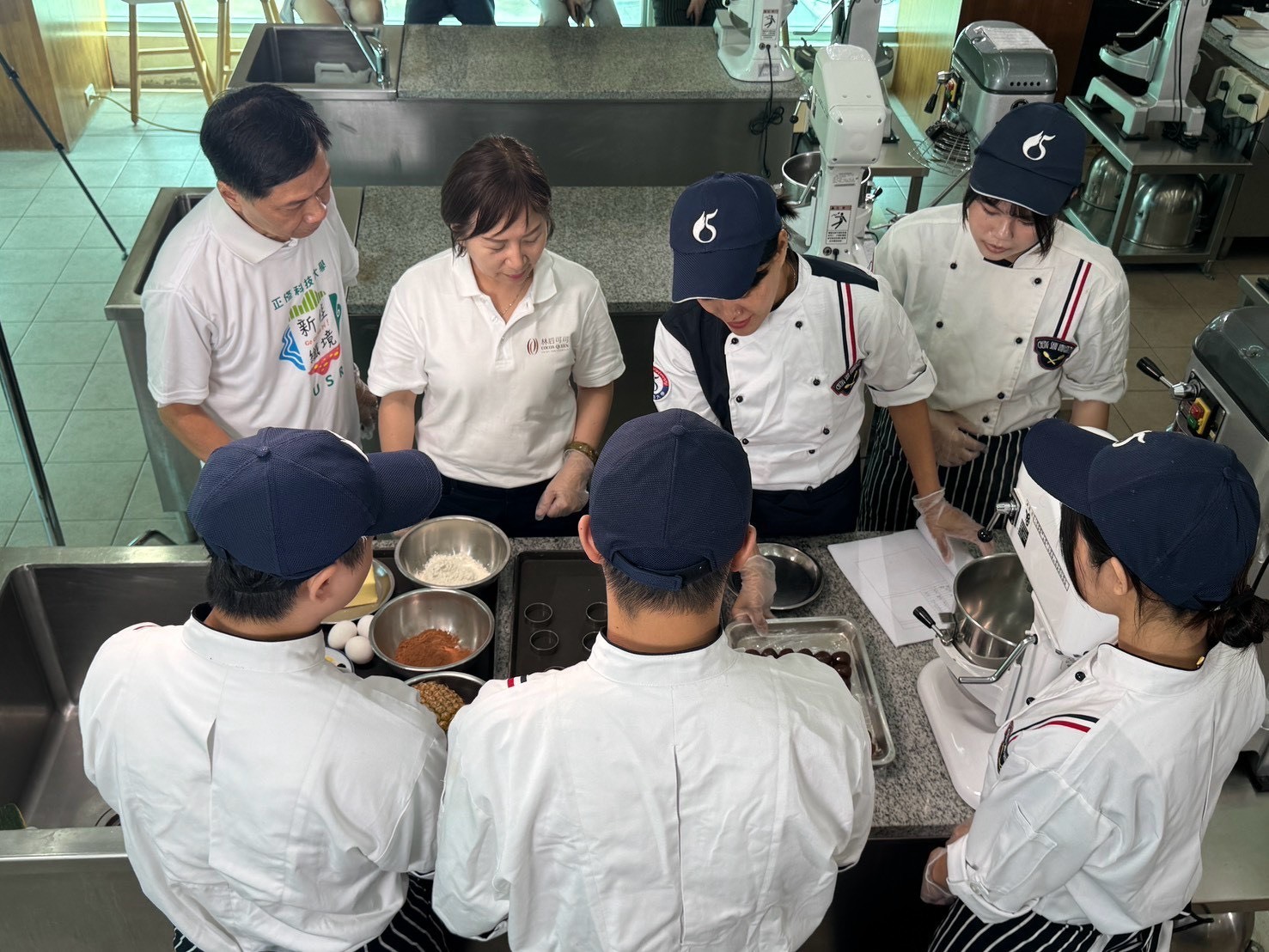
The SDG 8 Gold Award-winning project is led by CSU’s Department of Food and Beverage Management in Xinpi and Jiadong, Pingtung. Through experiential courses, branding support, and community development, the team enhances agricultural value, expands overseas markets, and creates opportunities for youth entrepreneurship and local employment.
Project Director Professor Chen Hsin-Hung noted that regional revitalization requires sustained community engagement and an understanding of local needs. The initiative integrates education, industry, culture, and youth participation through three pillars: agricultural value and branding, leisure tourism, and youth employment.
By connecting university courses, community organizations, and local industries, the project transforms agricultural resources into marketable brands, products, and tourism experiences, creating jobs and supporting sustainable local development.
Measuring Sustainable Impact through SROI
CSU introduced Social Return on Investment (SROI) assessments to quantify the projects’ long-term impact. Each NT$1 invested in the Indigenous cultural heritage project generated NT$5.51 in social value, while the regional revitalization project generated NT$1.72. These results demonstrate measurable benefits in cultural preservation, talent development, industrial growth, and community participation.
In response to net-zero and sustainability transitions, CSU applies interdisciplinary expertise in Indigenous and rural communities while building partnerships among government, industry, academia, and local stakeholders. These efforts strengthen communities’ capacity for self-directed development.
CSU will continue advancing sustainability education, interdisciplinary talent development, and local partnerships in alignment with the SDGs, supporting resilient communities with strong cultural foundations and vibrant local economies.